
In the Beginning Was the Future
Futuring Future Tech Ribbon Cutting
By Rick Aman onFuturing Envisions It. Unity Builds It. Perseverance Makes It Real.
“The rewarding thing about futuring is occasionally getting the privilege of standing inside a future you once could only see in your mind.” — Rick Aman
This week I had the privilege of returning to the College of Eastern Idaho for the ribbon cutting of the Battelle Energy Alliance Future Tech Building in partnership with Frontier Credit Union. For me, the day represented much more than the completion of a building. It was a chance to see the full cycle of futuring; from an idea to a shared vision, through planning and perseverance, and ultimately into something tangible.
I have spent much of my career thinking about how organizations create a preferred future rather than simply react to whatever future arrives. Future Tech is one of the clearest and most tangible examples I have experienced of the power of futuring.
1. Seeing Something That Does Not Yet Exist
Futuring begins with the ability to imagine something that doesn't exist. A future must first exist in someone’s mind before it can emerge from concrete and steel. That is what distinguishes futuring from traditional strategic planning. Strategic planning often begins with where an organization is today and asks how it can improve or advance from there. Futuring emerges with where the organization wants to be and asks: What future do we want to create? From the beginning, CEI’s trustees and senior leadership, working with community and industry leaders, kept that question at the center of the college’s development. Eastern Idaho already had excellent educational institutions, so the goal was not simply to build another college. We needed to think beyond the present. What educational opportunities would students need in the years ahead? What would employers require from the workforce? How would technology change the nature of work? And what role should a comprehensive community college play in preparing Eastern Idaho for those changes? Those questions gave trustees and leadership a shared picture of what CEI could become and helped shape the preferred future that guided the college’s development. Future Tech eventually emerged as a tangible expression of that vision.
We cannot control the future, but neither are we simply passengers waiting for it to arrive. Futuring gives us agency. It allows an organization to identify a future worth pursuing and begin making choices today that increase the likelihood of reaching it. The preferred future becomes the destination that gives those choices direction.
Before there were architectural drawings, funding commitments, construction schedules, or a building, Future Tech was an idea about what CEI could become based on what Eastern Idaho might need. That is where every preferred future begins: someone sees a possibility that does not yet exist and believes it is important enough to pursue.
2. From an Idea to a Shared Vision
An idea alone rarely changes an organization. The real power of futuring begins when others can see the future too.
Two years ago, in August 2024, we broke ground on Future Tech. It was also the month I retired as president of CEI, so the timing has always carried special meaning for me. One chapter was closing while another was literally beginning to rise from the ground
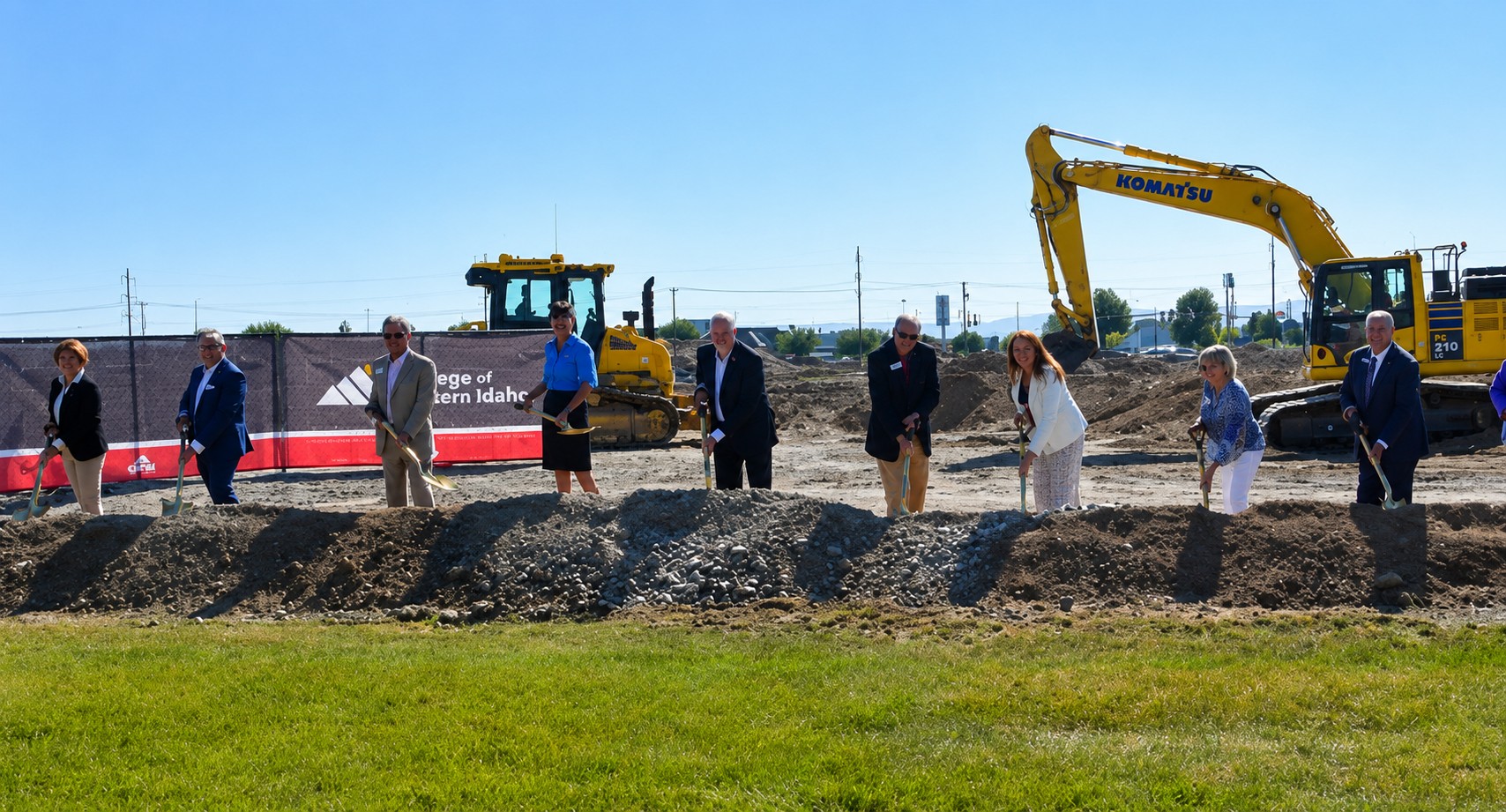
By the time of the groundbreaking, Future Tech had traveled a considerable distance from its original idea. There were architectural drawings, funding commitments, partners, plans, and a shared understanding of why the building mattered. Yet it was still largely a preferred future, something we could describe and visualize, but not yet walk into. That moment illustrates an essential part of futuring. An idea gains power when it becomes a shared vision. People must be able to see not only what you are proposing, but why the future you are describing matters.
That is how commitment grows. A governing board sees how the vision advances mission. Faculty and staff see new opportunities for students. Industry sees a stronger skilled workforce. Community leaders see regional opportunity. Donors and funding partners see something worth investing in. Each begins to see a place for themselves in creating the future. At that point, the idea is no longer owned by the people who first imagined it. It becomes our idea, our vision, and ultimately our preferred future.
That is the power of unity. Unity does not mean everyone agrees on every decision or every detail. In my experience, that is neither realistic nor particularly useful. Unity comes from agreement around purpose and destination. When people share a clear understanding of why the future matters and where they are trying to go, they can work through considerable disagreement about how best to get there. Vision shows us what could be. Unity gives us the collective power to pursue it. 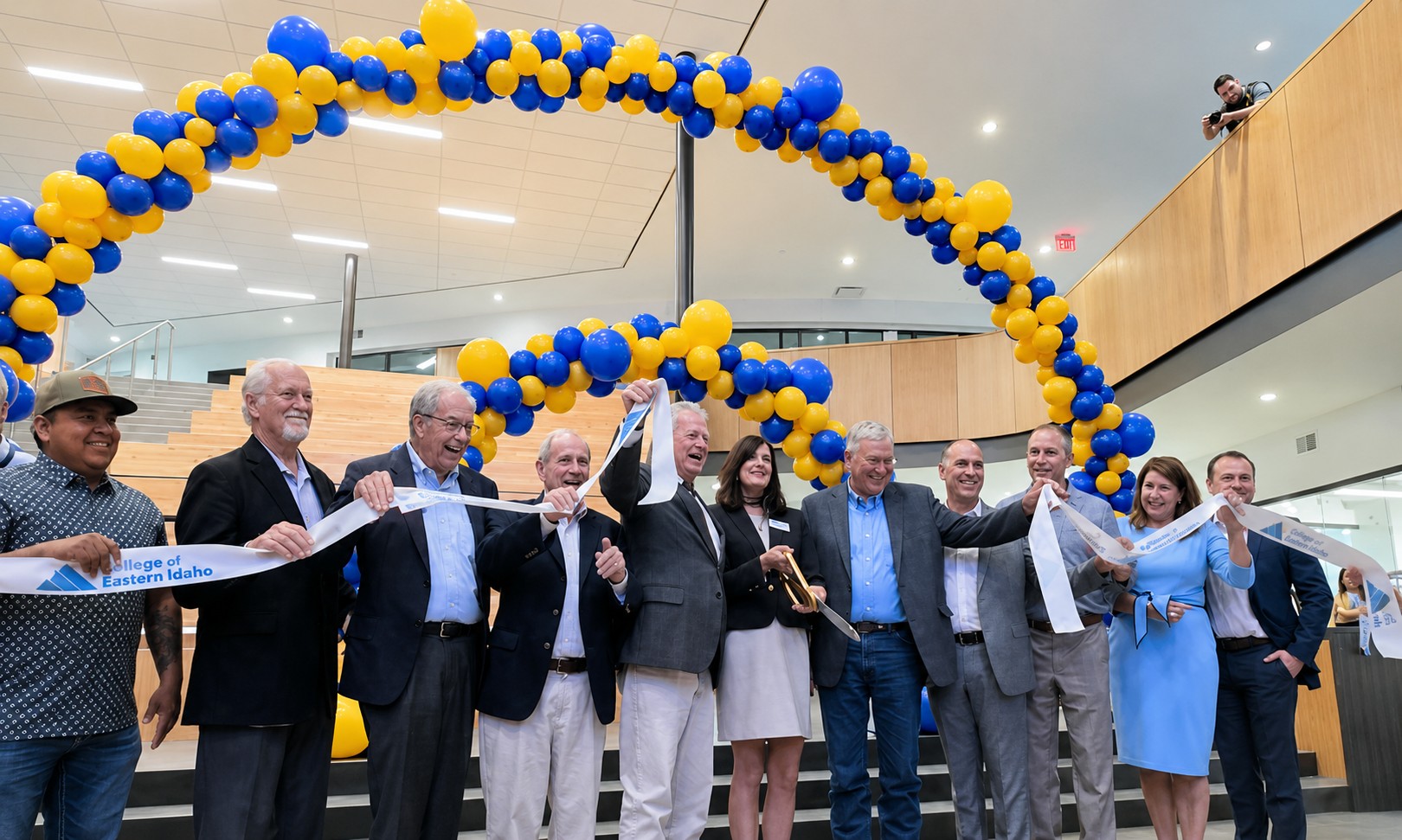
3. Building the Preferred Future
If vision defines the preferred future and unity creates the commitment to pursue it, perseverance is what begins to make it tangible. We tend to photograph milestones. We take pictures at groundbreakings and ribbon cuttings, but rarely capture everything that happens in between. Yet the space between those two photographs is where a preferred future is actually built. 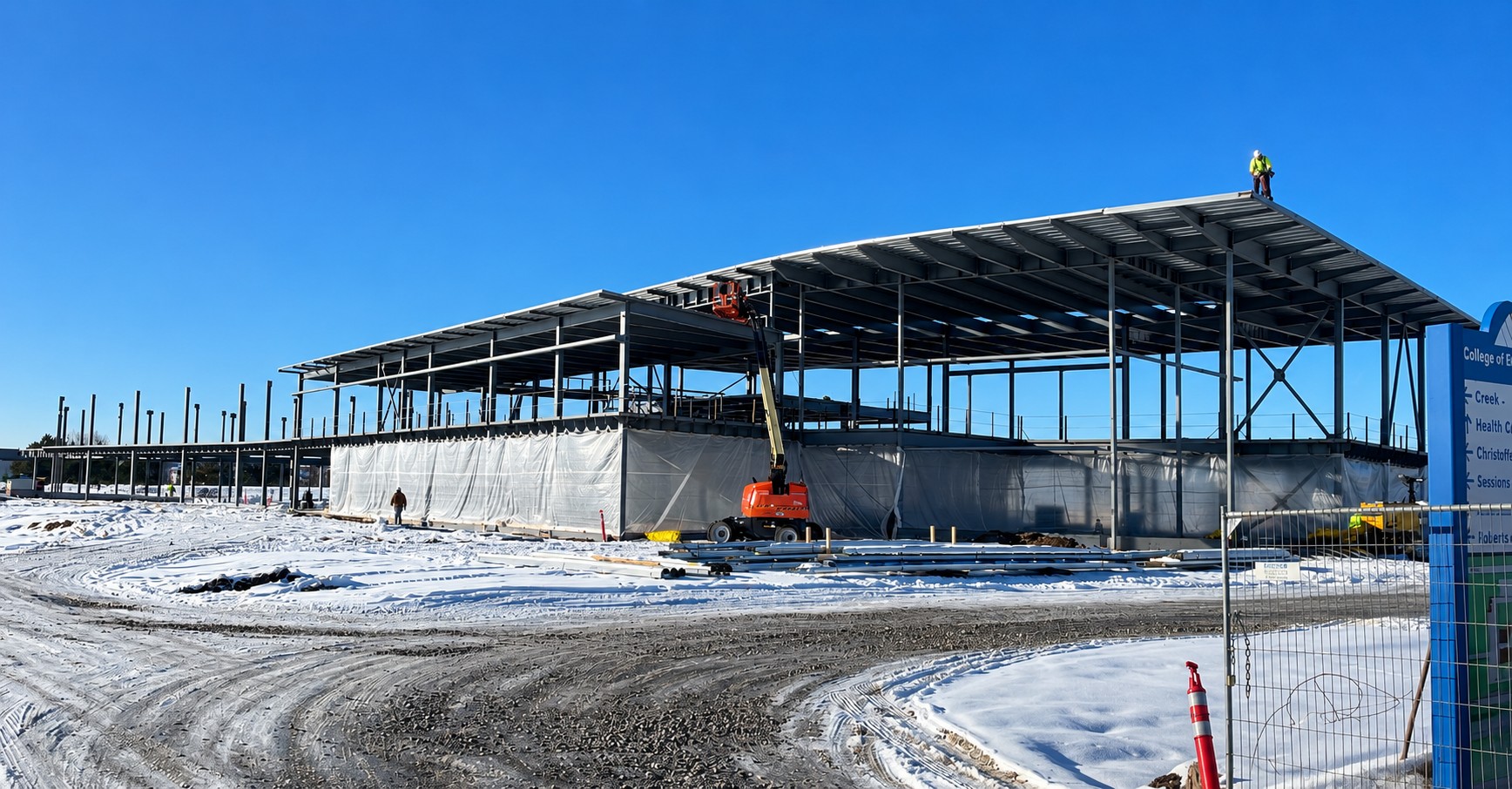
This is where futuring moves from concept to discipline. Purpose establishes why the future matters. The preferred future describes what we are trying to become. Strategy begins defining how we will get there. Plans, priorities, partnerships, resources, and decisions turn that framework into action. Vision alone does not build anything. Between an idea and an outcome are funding challenges, difficult decisions, changing circumstances, setbacks, problems to solve, and hundreds of conversations that keep the efforts moving forward. Some days progress is visible. On others, it may seem that very little has changed or the vision is dying. This is where perseverance becomes the tangible expression of vision.
The difficult task is maintaining clarity and unity long enough for the idea to emerge. This is why I continue to believe that clarity precedes progress. A clear purpose keeps people grounded in why the work matters. A clear preferred future keeps everyone focused on the destination when the path becomes difficult or uncertain. But there is another dimension of perseverance that may be even more important: A strong preferred future must be able to outlast the people who first imagined it.
Over the life of CEI, the people carrying the vision have changed. The college has experienced two presidents, eight trustees, two governors, multiple legislators and elected officials, industry partners, senior leaders, faculty, and staff. People have entered and left the story, responsibilities have shifted, and circumstances have changed. Yet the larger vision of what CEI could become and what it could mean for Eastern Idaho continued to provide direction.
That is one of the most powerful aspects of futuring. People change. Leadership changes. Strategies change. A compelling preferred future can provide continuity through upheaval. It gives successive leaders and partners a common destination while allowing them to adapt the path as circumstances require. Perhaps the donor wall inside Future Tech captures this better than anything I could write. It is a physical reminder that the building was not created by one leader, one organization, or one group acting alone. Boards, legislators, donors, community leaders, faculty, staff, industry partners, architects, contractors, and many others contributed their part to making it real. 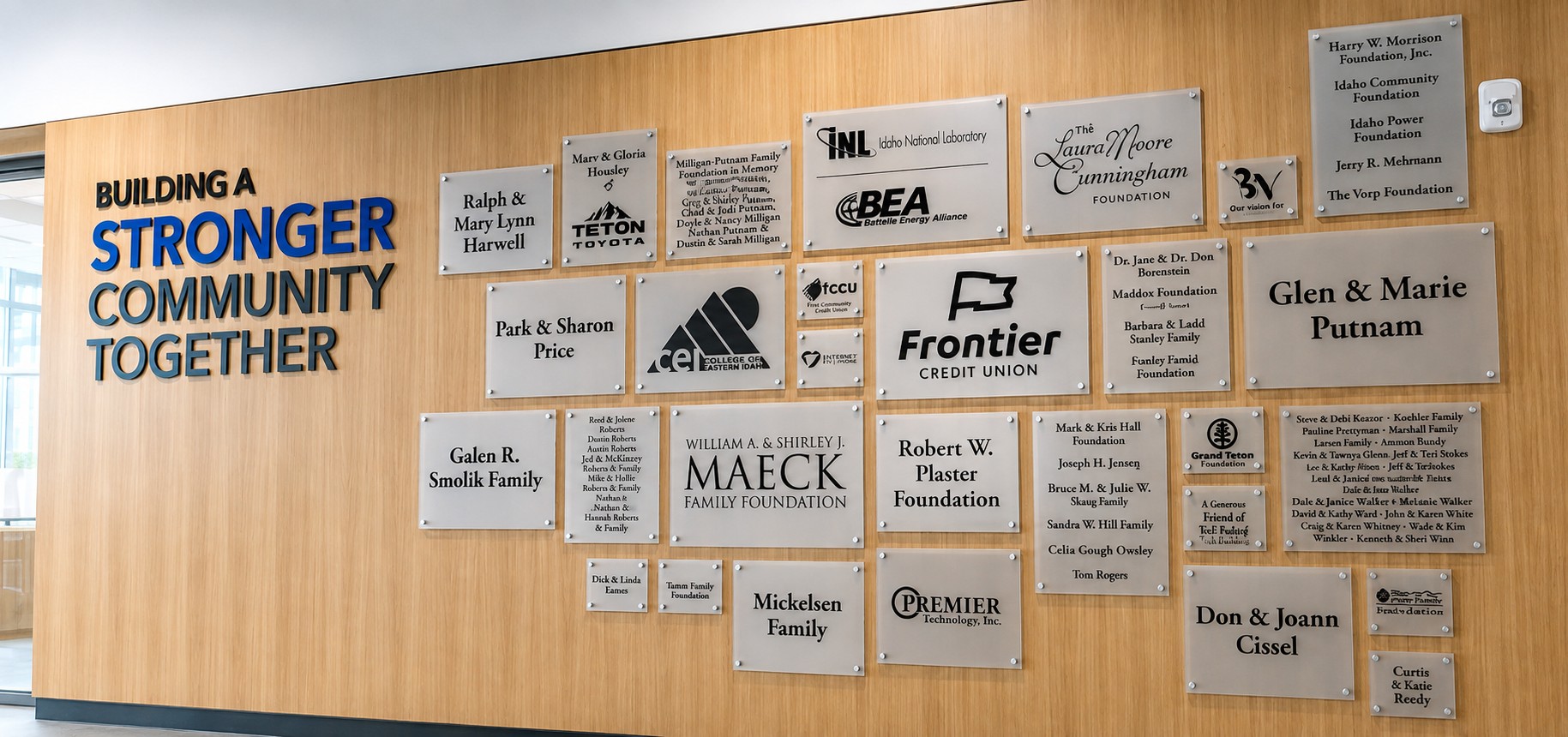
That is perseverance at the organizational level: a shared vision strong enough to survive changes in people and circumstances, and clear enough to keep people moving toward the same preferred future.
4. Standing Inside the Future
Last week, two years after the groundbreaking, the community celebrated the ribbon cutting of Future Tech. What began as an idea had become something we could walk into; concrete and steel, and tangible evidence of what vision, unity, and perseverance can accomplish. We were standing inside the future we had once only imagined. Walking through Future Tech also reminded me that the building was never the ultimate preferred future. Concrete and steel were not the goal. They created the capacity for something larger. The real future begins now. It will be found in students who walk through those doors and discover possibilities they had not previously imagined. It will be found in graduates prepared for technologies and industries that continue to evolve, employers gaining the skilled workforce they need, and stronger partnerships among education, industry, government, and the community. Ultimately, its value will be measured by the opportunities it creates across Eastern Idaho.
That is what makes the ribbon cutting particularly meaningful. It represents both an ending and a beginning. One preferred future has become reality, while that reality creates possibilities for futures we have not yet imagined. We arrive at a place that once existed only in our minds, look forward again, and ask: What becomes possible from here?
5. The Power of Futuring
The CEI experience illustrates why futuring can be so powerful for governing boards and leadership teams. The journey from the community vote in 2017 to the Future Tech ribbon cutting was never a nine-year strategic plan with every step predetermined. What endured was a clear vision of what CEI could become and what it could mean for Eastern Idaho. The path changed along the way. Technology evolved, leadership changed, new partnerships developed, and opportunities emerged that could not have been anticipated in 2017. Strategies adapted, but the preferred future continued to provide direction. Trustees and leaders could repeatedly ask a simple question: Does this move us toward our preferred future? Programs, partnerships, facilities, funding, and people could then be considered through that larger lens. Future Tech became one tangible result of that process. It was not the product of a nine-year plan; it was the product of a vision clear enough to guide thousands of decisions made by many people over nearly a decade.
Last week, I had the unusual privilege of seeing where those decisions had led. Two years ago, we stood on a construction site and talked about what Future Tech might become. Last week, we stood inside it. 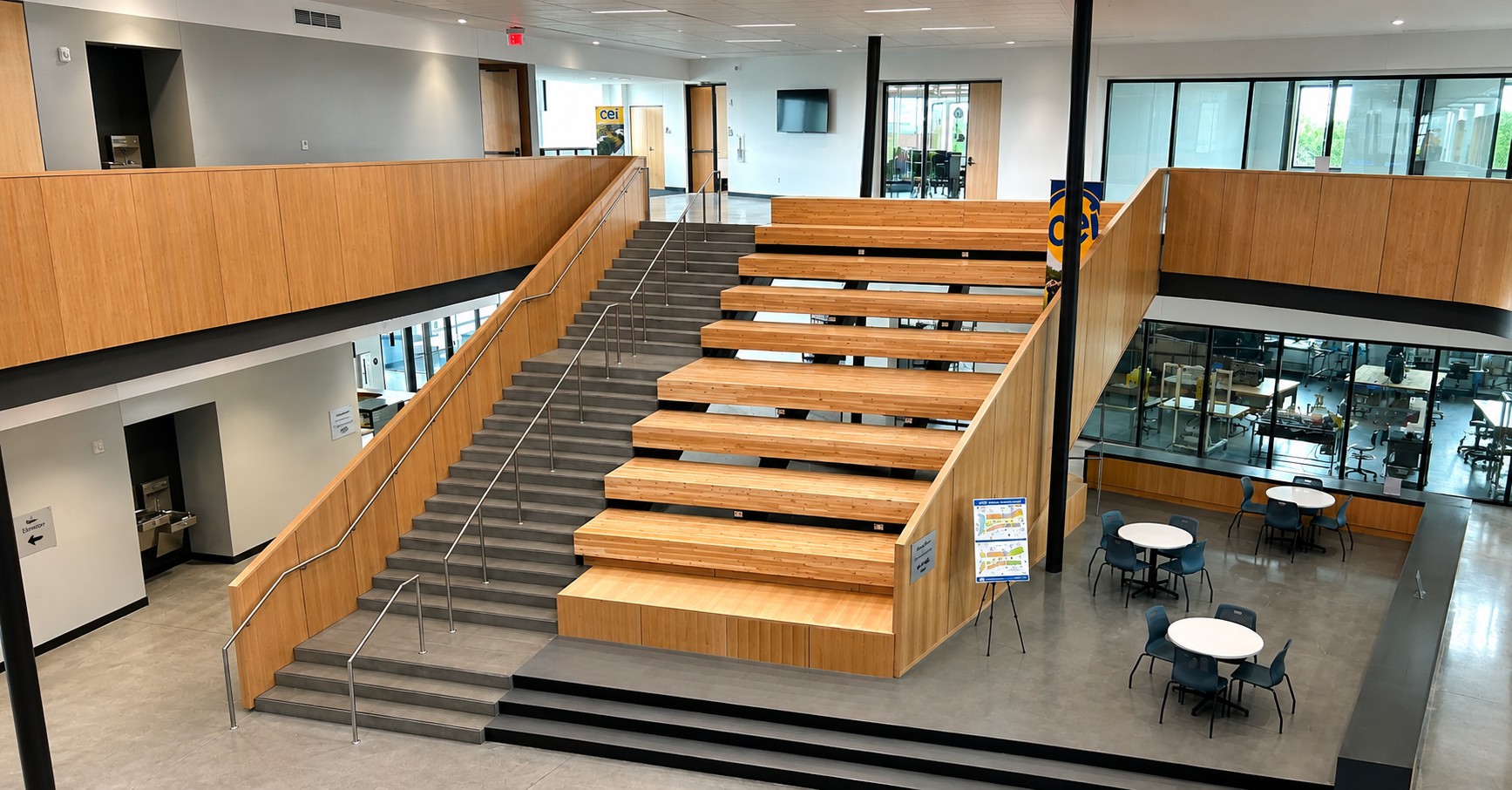
For me, that is the power of futuring. It does not give leaders certainty about what will happen. It gives them clarity about the future they are trying to create. That clarity can unite people, guide decisions, sustain perseverance, and help an organization recognize opportunities that move it toward its preferred future. Strategic plans will change. Strategies should change when circumstances require it. But a compelling preferred future can provide a north star through those changes.
Every future begins as an idea. The real power comes when people see that future together, unite around it, and persevere long enough to make it real. Perhaps that is the question worth leaving with leaders and governing boards: Are you planning from where your organization is today, or are you creating a clear enough picture of the future that people can begin moving toward it together?
-----
Rick Aman, PhD | Aman & Associates