Category: Uncategorized

  • Anticipating Disruption: Leveraging AI and 9 Technologies to Prepare for the Unknown Future of Education

    Anticipating Disruption: Leveraging AI and 9 Technologies to Prepare for the Unknown Future of Education

    In The Great Upheaval, Levine and Van Pelt argue that higher education is facing its most profound transformation since the Industrial Revolution. As society transitions into a new digital environment, higher education must evolve to meet the demands of this rapidly changing landscape. Predictions about the future of higher education fall into two broad categories: the “adaptive” and the “disruptive” approaches. The adaptive approach suggests that the traditional campus-based university model will endure, gradually evolving to integrate new methods and technologies. Advocates of this view believe that, while higher education will change, it will maintain its core structure, adapting incrementally to the new demands of students, employers, and society.

    The disruptive approach calls for a radical transformation, suggesting that the traditional higher education model is no longer sustainable in its current form. Levine and Van Pelt define “higher education” as the traditional, campus-based learning experience, whereas “postsecondary education” encompasses a much broader landscape. This includes not only traditional universities but also a growing array of alternative institutions—both for-profit and non-profit—that are breaking away from conventional practices. These alternatives prioritize flexibility, digital technologies, affordability, competency-based education, and industry-recognized certifications, offering students varied pathways to success.

    Colleges may not have the luxury and funding to take a leisurely track into the adaptive model of change. As colleges and universities look to shape their preferred future, they must consider a range of factors that influence their trajectory. Central to this future is the role of artificial intelligence (AI) and nine other transformative technologies. It is important to note that these nine technologies are just examples of the many that could potentially enhance teaching and learning processes. Together, these nine are reshaping the educational landscape, offering unprecedented opportunities to enhance learning, streamline operations, and meet the evolving needs of the workforce. By embracing these advancements, institutions can anticipate and navigate disruptions, ensuring they remain relevant and effective in preparing students for the demands of the future economy.

    This article delves into how AI, combined with nine other key technologies, is driving this fundamental shift in education. It provides insights into how colleges can leverage these tools not just to adapt to change but to lead it, creating an educational environment that is agile, student-centered, and aligned with the emerging realities of the global workforce. Through strategic adoption of these technologies, higher education can move beyond survival and position itself at the forefront of innovation, crafting a preferred future that empowers students and society alike.

    The Role of AI in Shaping the Future of Education

    Artificial Intelligence is not just another technological trend; it represents a fundamental shift in how we understand and deliver education. AI’s capabilities extend far beyond simple automation. Its real potential lies in its ability to personalize learning experiences, analyze vast amounts of data for insights, and predict future trends.

    AI and Personalized Learning Experiences

    AI-powered platforms are revolutionizing personalized learning by adapting educational content to meet individual student needs. Traditional classroom settings often employ a one-size-fits-all approach, where all students follow the same curriculum at the same pace. AI challenges this paradigm by enabling adaptive learning systems that adjust to each student’s learning style, pace, and knowledge level.

    Using AI for Predictive and Learning Analytics

    AI’s role in predictive analytics is crucial for anticipating disruptions in education. By analyzing data on student performance, enrollment patterns, and industry trends, AI can help institutions make informed decisions about curriculum design, student support services, and resource allocation. For example, learning analytics can identify students at risk of dropping out by analyzing their engagement levels, participation in coursework, and performance metrics. Early intervention strategies can then be implemented to support these students, improving retention rates and overall educational success.

    AI can also predict future skill demands by analyzing job market trends and industry developments. Institutions can leverage this information to develop programs and courses that align with the evolving needs of the workforce. This proactive approach ensures that students graduate with relevant skills, making them more employable in a rapidly changing job market.

    Beyond AI: Nine Technologies Shaping the Future of Education and Workforce Training

    While AI is a driving force, it is part of a broader ecosystem of technologies transforming education. Here are nine other technologies that may shape the delivery of college education and workforce training over the next five years:

    1. Virtual Reality (VR) and Augmented Reality (AR)

    VR and AR are immersive technologies that create realistic simulations, allowing students to practice skills in a controlled environment. In fields such as healthcare, engineering, and technical education, these technologies enable hands-on training without the need for physical resources. For example, medical students can use VR to simulate surgeries, gaining valuable experience without risking patient safety. AR, on the other hand, enhances the real-world environment by overlaying digital information, providing interactive learning experiences. In technical fields, AR can guide students through complex processes by displaying real-time instructions and visual cues. This immersive learning approach enhances understanding, retention, and skill mastery, preparing students for real-world challenges.

    2. Learning Analytics

    Learning analytics involve the use of data to gain insights into student learning behaviors, performance, and outcomes. By leveraging data and AI, institutions can assess skill gaps, predict academic success, and identify at-risk students. Learning analytics provide educators with actionable insights that can be used to tailor instruction, develop targeted interventions, and improve overall learning outcomes. To illustrate, an analysis of student engagement data in online courses can reveal patterns indicating which students are likely to struggle. In response, educators can provide additional support, such as personalized tutoring or supplementary resources, to help these students succeed. Moreover, learning analytics can inform curriculum design, ensuring that courses remain relevant and aligned with industry needs.

    3. Blockchain Technology

    Blockchain technology offers a secure and tamper-proof method of tracking student credentials, certifications, and educational achievements. In the current education system, verifying credentials can be a cumbersome process, often involving manual verification and paper-based records. Blockchain simplifies this process by providing a decentralized ledger that securely records and verifies credentials. This technology not only benefits students by providing a permanent and easily accessible record of their achievements, but also helps employers verify qualifications efficiently. Furthermore, blockchain can facilitate the transfer of credits between institutions, supporting more flexible and modular approaches to education.

    4. 5G Connectivity

    The rollout of 5G networks will significantly enhance online learning experiences by providing faster and more reliable internet access. In remote and underserved areas where connectivity has been a barrier to education, 5G will enable seamless access to high-quality educational content. This increased connectivity will support data-intensive applications such as VR, AR, and live-streamed lectures, making advanced learning experiences more accessible to a broader audience. To illustrate, 5G, institutions can deliver interactive, real-time learning experiences, such as virtual labs and remote fieldwork simulations. This expanded access to high-speed internet will democratize education, allowing students from diverse backgrounds to participate in advanced learning opportunities.

    5. Internet of Things (IoT)

    The Internet of Things (IoT) refers to the network of interconnected devices that collect and exchange data. In education, IoT can create smart classrooms and connected learning environments that enhance engagement and interaction. To give you an example, IoT-enabled devices can monitor student engagement in real-time, providing educators with immediate feedback on student participation and comprehension. Connected labs and learning spaces equipped with IoT sensors can facilitate collaborative learning, where students can interact with digital content and physical objects simultaneously. This real-time feedback loop helps educators adapt their teaching strategies to meet the needs of individual students, creating a more dynamic and responsive learning environment.

    6. Gamification

    Gamification involves the integration of game elements, such as leaderboards, achievements, and challenges, into the learning process. By making learning more engaging and interactive, gamification helps keep students motivated and encourages mastery of skills. In workforce training, gamification can simulate real-world scenarios, allowing learners to practice problem-solving and decision-making in a risk-free environment. For example, a business management course might use gamified simulations to teach students about market dynamics, resource allocation, and strategic planning. By competing in a virtual marketplace, students can apply theoretical knowledge to practical situations, enhancing their understanding and preparing them for real-world challenges.

    7. AI-Powered Chatbots and Virtual Assistants

    AI-powered chatbots and virtual assistants are increasingly being used to automate administrative tasks and provide instant support to students. Chatbots can handle routine inquiries, such as answering questions about course schedules, application processes, and campus services, freeing up faculty and staff to focus on more personalized interactions. To illustrate, Virtual assistants can also support learning by providing reminders, suggesting resources, and offering personalized feedback on assignments. By acting as an always-available source of support, these AI-driven tools enhance the student experience and help institutions operate more efficiently. AI-powered chatbots can even employ the Socratic method of instruction—a teaching approach that engages students in dialogue by asking and answering questions to stimulate critical thinking and explore underlying concepts.

    8. Microlearning Platforms

    Microlearning platforms break down educational content into small, manageable modules, making it easier for students and workers to acquire new skills quickly. This approach is particularly valuable for lifelong learning and workforce adaptability, as it allows learners to focus on specific competencies without committing to lengthy courses. Specifically, a professional looking to learn data analysis can use a microlearning platform to complete short modules on specific topics, such as data visualization or statistical analysis. This flexibility enables learners to build skills incrementally, fitting education into their busy schedules.

    9. Adaptive Learning Systems

    Adaptive learning systems use AI and machine learning to tailor educational content to each student’s unique learning path. These systems continuously assess student performance and adjust the difficulty, pacing, and type of content to match individual needs. This personalized approach ensures that students receive the right level of challenge, promoting deeper learning and skill mastery. For instance, an adaptive learning platform for language learning can adjust vocabulary exercises based on a student’s progress, offering more complex sentences as their proficiency improves. This ongoing assessment and adjustment create a dynamic learning experience that supports optimal student outcomes.

    Preparing for the Unknown Future of Education

    The convergence of AI with these transformative technologies is driving a paradigm shift in education. Institutions that embrace these advancements will be better equipped to anticipate disruptions, adapt to changing demands, and prepare students for the future workforce. However, this requires a proactive and strategic approach, focusing on innovation, agility, and a willingness to rethink traditional educational models.

    Creating a Future-Ready Education Ecosystem

    To prepare for an uncertain future, institutions need to build a learning environment that promotes innovation and lifelong learning. Colleges of the future should prioritize leveraging faculty for the vital personal interactions and teaching methods that are unique to the educational experience. By utilizing some of the tools discussed in this article, colleges can collaborate with faculty to automate routine and repetitive tasks through technology. As colleges envision their preferred future, here are some options to consider:

    • Investing in Technology: Allocating resources to adopt and integrate AI, VR, AR, IoT, and other technologies into future educational best practices.

    • Developing Flexible Learning Pathways: Offering modular, competency-based programs that allow students to acquire skills in a flexible, personalized manner.

    • Focusing on Skill-Based Training: Aligning curricula with industry needs to ensure students graduate with relevant, in-demand skills. The classic example of this is internships and workplace learning opportunities.

    • Cultivating a Culture of Lifelong Learning: Encouraging continuous skill development to prepare students for a changing and uncertain job market. This is an area with critical skills (soft skills) are vital to a job ready graduate.

    Conclusion: Charting a Course Through the Future of Education

    The convergence of AI with these nine transformative technologies marks the dawn of a new era in education. This paradigm shift presents both an opportunity and a challenge for institutions striving to remain relevant in a world where the pace of technological and economic change shows no signs of slowing. As we navigate this uncertain future, it is clear that traditional educational models can no longer operate in isolation. Instead, they must evolve and integrate these technologies to anticipate disruptions, address the diverse needs of learners, and prepare students for the dynamic demands of the future workforce.

    To achieve this, institutions must adopt a proactive and strategic approach that places innovation, agility, and student-centered learning at the forefront. This means going beyond merely incorporating technology into existing structures. It involves a fundamental rethinking of how education is designed, delivered, and experienced. AI and the nine other transformative technologies VR, AR, learning analytics, blockchain, 5G, IoT, gamification, chatbots, microlearning, and adaptive learning systems offer the tools needed to build an educational ecosystem that is not just responsive to change but actively shapes it.

    Navigating this new terrain also requires a careful consideration of the ethical, social, and economic implications of these technologies. It requires close collaboration with faculty and instructional designers to ensure that the student-faculty relationship is preserved and not overshadowed by technology. Educational institutions must address challenges such as data privacy, digital equity, and the potential for technology to inadvertently widen existing disparities. A commitment to ethical implementation and inclusive access is essential to ensure that the benefits of this technological transformation are shared broadly and equitably.

    This article concludes my first element of this series: AI-Enhanced Futuring. Colleges need to “skate to where the puck will be” – Wayne Gretzky. These articles described how college leadership might predict the environment, trends and technologies into which their institution is headed.” The upcoming series of four articles will delve into the concept of “Strategic Visioning”, offering insights and guidance on how to identify and leverage the unique elements of your institutional mission (value proposition). This series will explore how college leadership can use a well-defined vision to navigate uncertainty, shape a preferred future, and ensure their institution remains relevant and resilient in a changing landscape.

    ————————

    If your organization is ready to explore its preferred future using advanced futuring tools or seeks to enhance collaboration between its board of directors and CEO, Aman and Associates is here to support you. We specialize in facilitation for strategic futuring, AI-driven trend analysis, scenario planning, and executive coaching. Let us partner with you to align your vision with actionable strategies, ensuring your organization thrives in a rapidly changing world. Together, we can chart a course for sustainable success.

    Rick Aman, PhD
    208.850.6707
    rick@rickaman.com
    www.rickaman.com/articles

  • Supporting an Organization in Creating Their Strategic Vision

    Supporting an Organization in Creating Their Strategic Vision

    In recent months, I’ve shared insights on LinkedIn about futuring, the process of defining an organization’s preferred future and explored how various strategic tools can facilitate this journey. These discussions emphasized moving from reactive planning to proactive strategy development. Unlike traditional strategic planning, which often relies on linear forecasts based on historical data, futuring focuses on anticipating multiple potential futures and crafting adaptive strategies. This dynamic approach empowers organizations to thrive amid uncertainty and constant change.

    In this article, I build on the concept of using Ikigai principles that could be applied to an organization. Ikigai is a process that supports individuals to determine their “reason for being” or being centered in life. My last article pointed out that organizations could explore their reason for being using four concepts from Ikigai –

     review seven essential futuring tools from prior articles that support organizations in navigating uncertainty and crafting a sustainable, mission-aligned future.

    A Strategic Vision is a clear and compelling picture of an organization’s desired future, typically three to five years ahead. It articulates long-term goals, outlines a future state the organization aims to achieve, and provides strategic direction. A well-defined Strategic Vision builds on an organization’s Mission, Vision, and Values while projecting these core elements into a differentiated future. It defines the organization’s unique identity, distinguishing it from competitors by highlighting its aspirations, guiding principles, and core competencies.

    A Strategic Vision is not a static plan but a dynamic framework that informs decision-making, inspires stakeholders, and drives organizational change. It sets ambitious yet achievable goals, ensuring alignment between daily operations and long-term objectives. By envisioning a compelling future, organizations can create a roadmap for success while remaining agile and responsive to emerging challenges and opportunities.

     1. AI Pre-Work

    Harnessing artificial intelligence (AI) to analyze historical data and predict future trends offers a strong foundation for strategic planning. AI-driven insights provide valuable data on market shifts, emerging technologies, and changing customer behaviors, enabling organizations to make informed decisions before beginning the futuring process.

    AI can identify patterns and correlations that might be missed by human analysts, enabling predictive modeling that helps shape more accurate strategies. For example, an educational institution might use AI to analyze job market data, predicting future skills demand and adjusting its course offerings accordingly. Similarly, a nonprofit can forecast donor behavior to plan more effective fundraising campaigns. By integrating AI pre-work, organizations position themselves for proactive decision-making supported by data-driven insights.

    2. Environmental Scanning

    Environmental scanning involves systematically monitoring external factors such as industry trends, political dynamics, technological advances, and societal changes. By keeping a pulse on these influences, organizations can identify potential disruptions and opportunities, positioning themselves proactively rather than reactively.

    Effective environmental scanning includes reviewing market reports, engaging with industry experts, and participating in conferences. It also involves using trend-monitoring software and conducting surveys to gather relevant data. For example, a retail company could track emerging consumer preferences and adjust its product lines to maintain market relevance. Organizations that consistently engage in environmental scanning develop the agility needed to anticipate and respond to external shifts.

    3. PESTEL Analysis

    PESTEL (Political, Economic, Social, Technological, Environmental, and Legal) analysis is a structured approach to examining the macro-environmental factors affecting an organization. Conducting a PESTEL analysis ensures that critical external forces are considered in strategic planning, fostering well-rounded decision-making.

    Each factor in the PESTEL framework offers specific insights. For instance, political analysis may uncover regulatory changes, while technological scanning reveals emerging innovations. A healthcare provider might use PESTEL to anticipate regulatory changes, technological advancements, and environmental factors like pandemics, ensuring its services remain compliant and competitive. Integrating PESTEL into routine planning helps organizations stay ahead by aligning internal strategies with external realities.

    4. Backcasting

    Backcasting starts with defining a desired future state and working backward to identify the steps required to reach that vision. This approach promotes creative thinking and strategic clarity, enabling teams to design targeted action plans that align with long-term goals.

    Backcasting breaks the process into manageable milestones, making large goals seem achievable. Consider a technology startup envisioning a market-leading product in five years. Through backcasting, the company can outline milestones in product development, funding rounds, and market expansion, ensuring a structured growth pathway. Organizations using backcasting benefit from a clear roadmap, enabling focused efforts toward an inspiring future vision.

    5. Scenario Planning

    Scenario planning involves creating diverse future scenarios based on varying assumptions about the future. This process helps organizations anticipate different possibilities, evaluate risks, and develop adaptive strategies to thrive in various future conditions.

    The process includes defining key uncertainties, building scenario narratives, and identifying strategic responses. For example, a logistics company might create scenarios involving supply chain disruptions due to geopolitical conflicts. By exploring different outcomes, it can prepare contingency plans to ensure continued service. Scenario planning encourages resilience by equipping organizations with flexible strategies for diverse future landscapes.

    6. Visioning Workshops

    Visioning workshops bring together diverse stakeholders to collaboratively define a shared future vision. These workshops encourage creative thinking, build consensus, and align teams around a common mission and strategic direction.

    Workshops often involve brainstorming sessions, guided discussions, and facilitated exercises that generate innovative ideas. Universities, for instance, can involve faculty, students, and community leaders in visioning workshops to co-create a strategic plan for academic innovation and societal impact. By fostering open dialogue, visioning workshops create a unified perspective that guides organizational strategy.

    7. Ikigai Process

    The Ikigai process blends personal and organizational purpose by aligning mission, expertise, societal needs, and financial sustainability. By integrating these elements, organizations can find a sustainable and fulfilling path forward, ensuring that purpose-driven strategies remain central to their operations.

    The process involves defining core values, assessing strengths, identifying societal contributions, and exploring revenue models. A social enterprise could use the Ikigai process to align its mission of community development with its core competencies in vocational training, ensuring a balance between societal contribution and financial viability. Ikigai-driven organizations build purpose-centered strategies that inspire growth and lasting impact.

    Conclusion

    Defining a preferred future is both an art and a science. By leveraging these seven futuring tools, organizations can move beyond reactive planning and create resilient strategies aligned with their mission and values. Embracing these approaches ensures not only survival but also long-term success in an ever-changing world.

    Success starts with action. Take the first step toward shaping your organization’s future by assessing your current strategy and exploring how futuring tools can enhance your planning process. Engage your leadership team in envisioning a bold, mission-driven future, and commit to adaptive, forward-looking strategies that drive meaningful change. Reach out today to learn how these tools can be customized to meet your organization’s unique needs and help you create a sustainable and prosperous future.

    If your organization is ready to explore its preferred future using advanced futuring tools, I’m here to help. I offer facilitation in strategic futuring, AI-driven trend analysis, scenario planning, and executive coaching. Let’s work together to align your vision with actionable strategies for future success.

    Contact:
    Rick Aman, PhD
    208.850.6707
    rick@rickaman.com
    www.rickaman.com/articles

  • Trend Projection in Action: Shaping the Future with Data-Driven Insights

    Trend Projection in Action: Shaping the Future with Data-Driven Insights

    Introduction

    In the pursuit of futuring as a strategy and a “preferred future” vision as a goal, organizations and colleges can utilize a variety of tools to guide their journey. These tools include: AI-driven brainstorming, SWOT analysis, regional environmental scans, PESTEL analysis, backcasting, and scenario planning. All are valuable methods for clarifying a strategic vision for leadership, boards, staff, and stakeholders. This week, I’d like to focus on trend projection, a tool often associated with traditional strategic planning, but equally valuable in the context of futuring.

    Clarity in anticipating an organization’s purpose and direction is essential for long-term relevance; Trend projection, with its simplicity and focus on historical data, serves as a bridge between past performance and future potential. By analyzing historical patterns and extending them into the future, this tool provides a solid foundation for informed decision-making and strategic foresight.

    What sets trend projection apart is its complementary relationship with other tools like backcasting. While backcasting starts with a vision of the preferred future and works backward to identify the steps needed to achieve it, trend projection works in the opposite direction, beginning in the present and projecting forward based on existing trends. Together, these tools create a dynamic framework that connects an organization’s past, present, and envisioned future.

    Every organization brings unique strengths; its history, culture, funding sources, partnerships, projects, facilities, and expertise that shape its trajectory. Trend projection highlights these attributes, identifying what is working well and extrapolating those successes into future plans. By grounding futuring efforts in an organization’s historical and cultural context, trend projection ensures that strategic plans are both realistic and impactful.

    In this article, I will explore trend projection as a futuring tool, delving into its benefits, limitations, and practical applications. I’ll also examine how it complements techniques like forecasting and backcasting, helping you determine how to integrate these tools into leader’s strategic planning process to drive meaningful results.

    What is Trend Projection?

    Trend projection is a systematic method used to identify, analyze, and extend patterns from historical data to forecast future outcomes. It is grounded in the assumption that the forces driving past trends such as societal behaviors, technological advancements, or market dynamics will continue to influence the future, barring significant disruptions. In the context of an organization, trend projection incorporates key historical and cultural factors that shape its trajectory. For example, the lifespan and utilization of buildings, the strength and relevance of current partnerships, and areas of expertise or specialized programs can all provide critical data points for projection. Analyzing how a college’s facilities have evolved to meet changing student needs or assessing the long-term outcomes of strategic partnerships with local industries can inform projections about future infrastructure requirements or program demand. Similarly, examining an organization’s historical expertise, such as its success in workforce training or its role in advancing specific fields of study, can highlight areas of growth that align with future opportunities. By factoring in these cultural and historical attributes, trend projection ensures that strategies are both realistic and deeply connected to the organization’s unique identity and strengths.

    To effectively apply trend projection, a series of key steps are followed. The process begins with data collection, where reliable historical data relevant to the trend is identified and gathered. This data could pertain to areas such as demographic shifts, financial performance, or technological adoption rates, depending on the context. Next is pattern recognition, which involves analyzing the data to uncover consistent trends, such as steady growth, periods of decline, or repeating cycles. Once identified, these trends are extended into the future through extrapolation, using statistical tools, forecasting models, or visualization techniques. Finally, the process includes validation, where the projected outcomes are reviewed against current assumptions, knowledge, and potential disruptors to ensure they remain realistic and actionable.

    In the context of futuring, trend projection not only highlights likely trajectories but also helps organizations identify areas where intervention may be needed to alter an undesirable course or capitalize on emerging opportunities. When paired with other tools, such as backcasting or scenario planning, trend projection provides a forward-looking perspective that is both grounded in evidence and adaptable to change. By understanding and applying this approach, organizations can position themselves to thrive in an ever-evolving landscape. This is an excellent opportunity to employ scenario planning with a committee to consider possible intended outcomes or positive results.

    Example Applications

    Trend projection provides organizations with critical insights by leveraging existing trends, current directions, demographic data, and funding patterns to shape future strategies. For instance, in demographics, analyzing existing population trends, such as aging populations or regional migration shifts, allows for more precise projections of community needs, such as housing, healthcare, or educational services. In market growth, organizations can examine historical sales data and current consumer preferences to predict future demand for products or services, ensuring alignment with funding and operational priorities. For technology adoption, existing trends in digital transformation and infrastructure investment can help estimate the rate at which emerging technologies will gain traction, influencing strategic planning in industries such as education, healthcare, or manufacturing.

    A community college can apply trend projection to understand student enrollment trends, taking into account current demographics, funding structures, and economic conditions. For example, if existing data shows an increase in younger populations within the region, combined with funding targeted at workforce development programs, the college might anticipate rising enrollment in vocational and technical education programs. Alternatively, if funding is shifting toward online education and demographic data suggests a growing number of adult learners, the college might prioritize expanding remote learning options. By focusing on existing partnerships, building utilization, legislative actions, politics and funding streams, colleges can better align future plans with ongoing trends and organizational strengths, ensuring that resources are allocated effectively and programs meet evolving community needs. This approach underscores the importance of grounding trend projection in real-time data and current directions for maximum impact.

    Benefits of Trend Projection

    Trend projection is a widely used tool because it offers several key advantages that make it an essential part of strategic planning and futuring:

    1.     Simplicity: Trend projection is straightforward to implement, requiring minimal technical expertise and basic tools such as spreadsheets or simple statistical software. This makes it accessible to a wide range of users, from data analysts to organizational leaders, without requiring extensive training.

    2.     Clarity: One of the most powerful aspects of trend projection is its ability to produce clear, visual representations of data trends. Whether in the form of line graphs, bar charts, or other visual tools, these representations make complex data easy to understand and communicate to diverse stakeholders, including leadership teams, board members, and community partners.

    3.     Efficiency: When reliable data is readily available, trend projection can be executed quickly, allowing organizations to respond to pressing questions or emerging opportunities without significant delays. This efficiency makes it especially valuable for situations where decisions need to be made promptly based on current and historical insights.

    4.     Baseline Creation: Trend projection provides a solid foundation for more complex futuring methods like forecasting, backcasting, or scenario planning. By establishing a clear understanding of where an organization is headed under current conditions, it allows for more informed adjustments and strategic interventions to achieve a preferred future.

    5.     Practical Application Across Contexts: Trend projection is highly versatile, applicable to a variety of scenarios such as enrollment planning, resource allocation, market analysis, and funding projections. Its ability to anchor decisions in historical and current realities ensures that plans are both actionable and aligned with organizational goals.

    These benefits make trend projection an indispensable tool for organizations aiming to stay resilient and forward-looking in a rapidly changing environment. By combining simplicity and clarity with the ability to serve as a foundation for more sophisticated methods, trend projection helps organizations confidently navigate the future.

    Limitations of Trend Projection

    While trend projection is a valuable and widely used tool, it does have limitations that organizations should carefully consider when applying it to strategic planning and futuring:

    1.     Assumption of Continuity: Trend projection relies on the assumption that the forces driving historical trends will continue into the future. This can be a significant limitation in environments characterized by volatility or rapid change. For instance, an economic downturn, policy shift, or global crisis can disrupt previously stable trends, making projections based on historical data less reliable.

    2.     Vulnerability to Disruptions: Unforeseen events, such as technological breakthroughs, regulatory changes, or natural disasters, can dramatically alter the trajectory of a trend. These disruptions may render projections obsolete or misleading if they are not accounted for in the analysis. For instance, projecting workforce needs in an industry without considering the potential impact of automation could lead to inaccurate planning.

    3.     Simplistic Approach: Trend projection often focuses on one variable or trend at a time, which can lead to an overly simplistic view of complex systems. This narrow focus may neglect the interplay of multiple factors that influence outcomes. For example, projecting population growth based solely on birth rates could miss critical influences such as migration patterns, changes in healthcare access, or shifts in societal behavior, leading to incomplete or inaccurate conclusions.

    4.     Dependence on Data Quality: The accuracy of trend projection is heavily dependent on the quality, reliability, and scope of the historical data used. If data is outdated, incomplete, or biased, the resulting projections may fail to capture the true dynamics of the trend.

    5.     Limited Forward-Looking Insight: While trend projection provides a valuable starting point, it is inherently reactive, based on past and current conditions. This limits its ability to account for emerging trends or opportunities that are not yet evident in historical data, which is why it is often best paired with tools like scenario planning or backcasting for a more comprehensive approach.

    Perhaps, projecting enrollment trends for a college based solely on past data might overlook the impact of new funding models, shifts in the local job market, or the growing demand for online education. Recognizing these limitations can help organizations use trend projection more effectively as part of a broader strategic toolkit.

    Comparing and Contrasting Trend Analysis and Backcasting

    Trend analysis and backcasting are both valuable tools for strategic planning and futuring, but they differ significantly in their approach, focus, and application. Together, they provide complementary perspectives, with one starting from the present and the other from a preferred future. Here’s a detailed comparison:

    1. Starting Point

    • Trend Analysis: Begins in the present, using historical data to identify patterns and project them forward. It focuses on understanding where current trends are likely to lead based on the assumption of continuity in influencing factors.

    • Backcasting: Starts with an agreed-upon preferred future, envisioning a desired outcome or state and working backward to identify the steps needed to reach it.

    2. Focus

    • Trend Analysis: Focuses on what is happening now and extrapolates it into the future. It highlights ongoing trajectories, providing a baseline of what is likely to occur if no significant changes are made.

      • Example: A college might use trend analysis to project enrollment growth based on current demographics and funding levels.

    • Backcasting: Focuses on what could be, emphasizing transformative change to achieve a specific vision. It is goal-oriented, often requiring a shift in assumptions or a break from current trends.

      • Example: The same college might use backcasting to envision a future where all students have access to fully integrated hybrid learning and then determine the steps to achieve that goal.

    3. Approach

    • Trend Analysis: Takes a data-driven, incremental approach, relying on historical patterns and assuming those patterns will generally continue unless disrupted. It is straightforward and rooted in the status quo.

    • Backcasting: Employs a vision-driven, strategic approach, focusing on overcoming barriers and creating new opportunities to achieve the desired future. It often challenges the status quo by considering transformative steps

    4. Utility

    • Trend Analysis:

      • Best for projecting likely outcomes and identifying areas where intervention may be needed to sustain or redirect trends.

      • Useful for short- to medium-term planning where stability and continuity are expected.

      • Example: Analyzing student retention rates to project future graduation numbers.

    • Backcasting:

      • Best for defining bold, long-term goals and identifying the strategic changes required to achieve them.

      • Useful for visionary planning, especially in complex or rapidly changing environments.

      • Example: Designing a strategy to achieve carbon neutrality on campus by 2035.

    5. Limitations

    • Trend Analysis:

      • Limited by its assumption of continuity, making it less effective in volatile or disruptive environments.

      • Focuses on one variable at a time, often neglecting the interplay of multiple factors.

    • Backcasting:

      • Requires a clear, agreed-upon vision of the future, which can be challenging to define and align among stakeholders.

      • May seem abstract or unrealistic without concrete steps to connect the present to the future.

    6. Complementary Use

    While trend analysis and backcasting differ in approach, they can be highly complementary when used together:

    • Trend Analysis provides a realistic baseline by identifying where current trajectories are heading.

    • Backcasting helps organizations break free from the constraints of current trends by envisioning and planning for transformative outcomes.

    For example, a community college might use trend analysis to understand enrollment growth based on current demographics and funding. Simultaneously, it could use backcasting to design a strategy for creating a future where every student has access to cutting-edge technology and support services, ensuring long-term success.

    Comparison Table: Trend Analysis vs. Backcasting

    Integrating Trend Projection and Forecasting

    Trend projection and forecasting are not mutually exclusive; in fact, they can complement each other. Here’s how you can integrate them into a robust futuring strategy:

    1. Start with Trend Projection: Use it to establish a baseline understanding of likely outcomes if current trends continue.

    2. Enhance with Forecasting: Build on this foundation by incorporating variables, potential disruptors, and scenario analysis.

    3. Iterate and Refine: Continuously update projections and forecasts with new data and insights to improve accuracy.

    For example, an organization might project steady growth in demand for electric vehicles (EVs) using trend projection, then refine its strategy by forecasting how factors like government incentives or battery technology advancements could impact the market.

    Integrating Trend Analysis into Futuring

    Trend analysis is a foundational tool for futuring that begins in the present and projects current patterns into the future. When paired with complementary methods like forecasting, it becomes a powerful strategy for navigating toward a preferred future. Here’s how to integrate trend analysis effectively into a futuring framework:

    1.     Start with Trend Analysis: Use trend analysis to establish a baseline by identifying and projecting current trends. This step provides a clear understanding of where existing trajectories, such as enrollment growth, funding patterns, or technological adoption, are likely to lead if no major changes occur. This baseline serves as an anchor for planning. A good method to establish a current state of an organization is to bring a committee together to create a SWOT analysis.

    2.     Incorporate Forecasting: Enhance the baseline from trend analysis by integrating forecasting, which accounts for potential disruptors, emerging variables, and external influences. Forecasting allows organizations to simulate multiple scenarios and evaluate the impact of factors like policy changes, technological breakthroughs, or economic shifts.

    3.     Iterate and Adapt: Futuring is a dynamic process. Regularly update projections and forecasts with new data and insights to ensure that strategies remain accurate and relevant. By iterating on the baseline established through trend analysis and refining it with forecasting, organizations can maintain resilience and agility in a changing environment.

    By way of an example, an organization projecting steady growth in electric vehicle (EV) demand through trend analysis might refine its strategy by forecasting how variables like government incentives, advances in battery technology, or shifts in energy policy could accelerate or disrupt that growth.

    Practical Applications of Trend Analysis

    Organizations and higher education across sectors leverage trend analysis to guide strategic decisions and align resources with evolving needs. Here are examples of its application in various fields:

    Education

    • Enrollment Trends: Project future student enrollment to guide investments in infrastructure, faculty, and support services.

    • Program Demand: Analyze employer, workforce, and market trends to design new programs aligned with high-demand industries, such as renewable energy or AI.

    Healthcare

    • Disease Patterns: Predict the spread of diseases to allocate medical resources and inform public health strategies.

    • Population Health: Anticipate healthcare needs for an aging population, allowing for proactive planning in elder care services and facilities.

    Business

    • Current and Accurate Demographic Information: Leverage historical sales and demographic data to estimate future revenue, enabling better budgeting, inventory management, and investment decisions.

    • Market Trends: Identify long-term shifts in consumer preferences, such as increasing demand for sustainable products or digital services.

    Public Policy

    • Urban Planning: Project population growth to design infrastructure projects like roads, schools, and public transportation systems.

    • Anticipated Water Use: Use data on population growth and climate patterns to predict future water consumption needs and guide resource planning.

    By applying trend analysis across these domains, organizations can ensure their strategies are informed by current realities and positioned to address future challenges effectively. This approach enhances decision-making and resource alignment, ensuring sustainable and forward-thinking operations.

    Conclusion

    Trend projection is a foundational futuring tool that offers simplicity, clarity, and practicality. By leveraging historical data to extend patterns into the future, it helps organizations anticipate and prepare for what lies ahead. While it has limitations, particularly in dynamic environments, combining trend projection with forecasting can create a more comprehensive approach to strategic planning.

    As leaders, understanding these tools and their applications is essential for navigating uncertainty and shaping a resilient future. Whether you’re planning for the next quarter or the next decade, trend projection provides a solid starting point for envisioning what’s possible.

    ——-

    If you’re a member of an educational or organizational leadership team looking to strengthen your strategic planning process, I’m here to help. Whether it’s strategic planning toward a preferred future, leveraging AI for smarter decision-making, or preparing for regional economic shifts, I’ll collaborate with your team to achieve your goals. My services include AI-enhanced strategic futuring, PESTEL analysis, collaborative futuring team facilitation, scenario planning, and trend projection, along with support in developing strategic visioning documents and executive coaching. Let’s connect to create a future-focused vision that positions your organization for lasting success. Reach out today; I look forward to working with your team.

    You can find my articles on my website – www.rickaman.com/articles

  • The Visioning Process: A Futuring Tool to Shape Tomorrow’s Success

    The Visioning Process: A Futuring Tool to Shape Tomorrow’s Success

    Introduction

    In our constantly and shifting world, traditional planning tools are no longer enough to keep organizations competitive. To navigate tomorrow’s complexities, leaders are turning to futuring—a strategic approach to anticipate and adapt to possible futures. At the core of futuring is the visioning process, a powerful tool that enables organizations to define where they want to go, while remaining agile enough to pivot when necessary.

    This article delves into the visioning process, its importance within futuring, and practical steps to implement it effectively. Whether you’re a community college leader, a business executive, or a strategic planner, adopting a structured visioning process can provide clarity and focus in an uncertain world.

    Section 1: Understanding Visioning as a Futuring Tool

    • Defining Visioning: Visioning is the process of defining a desirable future. It involves setting a clear, inspiring destination that motivates and aligns all stakeholders.

    • Role in Futuring: While futuring includes tools like scenario planning and trend analysis, visioning serves as a foundation. It gives direction amid various future scenarios, guiding organizational choices toward a shared ideal.

    • Importance of Visioning Today: With rapid advancements in technology, economic shifts, and environmental changes, visioning offers a stable anchor. Organizations with a strong vision can respond to unexpected disruptions while staying true to their long-term goals.

    Section 2: Benefits of a Visioning Process in Futuring

    • Provides Clarity in Complexity: By setting a clear future vision, organizations can focus on what truly matters, even amid uncertainty.

    • Inspires Innovation and Risk-Taking: A compelling vision fosters a culture of innovation, encouraging teams to explore new ideas that align with the future the organization wants to create.

    • Aligns Stakeholders: Visioning ensures everyone understands the organization’s direction, creating alignment and a sense of purpose among stakeholders.

    • Enables Adaptability: When an organization’s vision is clear, teams can adapt their approaches and tactics as the environment changes, staying resilient without losing sight of long-term goals.

    Section 3: Visioning Process Steps

    Step 1: Preparation and Research

    • Understand the Current Landscape: Begin by analyzing current trends and forces shaping the industry.

    • Gather Data and Insights: Use quantitative and qualitative data, such as customer feedback, market trends, and competitive analysis, to inform the vision.

    • Identify Key Stakeholders: Engage leaders, employees, and external stakeholders to gather diverse perspectives.

    Step 2: Develop Future Scenarios

    • Scenario Planning: Envision several potential futures, ranging from optimistic to challenging scenarios. This step leverages futuring tools to prepare for various outcomes.

    • Impact Assessment: Assess each scenario’s potential impact on the organization and consider how the organization’s strengths and weaknesses align with each possible future.

    Step 3: Define Core Values and Purpose

    • Clarify Core Values: Identify the non-negotiable values that will guide the organization regardless of external changes.

    • Purpose-Driven Visioning: Define a purpose that resonates deeply, both internally and externally. Purpose is the “why” that fuels an organization’s journey toward its vision.

    Step 4: Craft a Bold Vision Statement

    • Characteristics of a Strong Vision: Ensure the vision statement is clear, forward-thinking, inspiring, and feasible.

    • Collaborative Process: Encourage broad input to create a shared vision. Involving diverse stakeholders in this step ensures buy-in and generates valuable ideas.

    Step 5: Set Strategic Goals and Milestones

    • Translate Vision into Action: Break down the vision into strategic goals that are specific, measurable, achievable, relevant, and time-bound (SMART).

    • Define Milestones: Set intermediate milestones that serve as checkpoints, ensuring that the organization is on track to realize the vision.

    Step 6: Communicate the Vision

    • Engage the Entire Organization: Use clear, consistent messaging to communicate the vision and its significance to all levels of the organization.

    • Visualize the Future: Share stories, images, and scenarios that make the vision tangible, helping teams see their role in achieving it.

    Step 7: Implement and Reassess

    • Flexible Implementation: Start implementing the vision but remain flexible to adapt as circumstances evolve.

    • Continuous Reassessment: Regularly revisit and adjust the vision based on new information, emerging trends, and feedback. This keeps the vision relevant and dynamic.

    Section 4: Visioning in Action: Case Studies and Examples

    Provide examples of organizations that have successfully used visioning as part of their futuring process. This could include:

    1. Higher Education Example: Describe a community college that adopted visioning to anticipate future skill needs and adjust its curriculum. Discuss how this allowed the institution to stay relevant and serve its community better.

    2. Corporate Example: Share an example of a company in technology or retail that used visioning to pivot its business model in response to digital disruption, allowing it to grow and thrive in a new market landscape.

    3. Nonprofit Example: Highlight a nonprofit that utilized visioning to align its mission with emerging social issues, allowing it to remain impactful and financially sustainable.

    These examples demonstrate the flexibility and impact of a strong visioning process across different sectors.

    Section 5: Tools and Techniques to Enhance Visioning

    Explore tools and techniques that can support the visioning process, including:

    • SWOT and PESTLE Analysis: How to use these frameworks to analyze internal and external factors.

    • Backcasting: Working backward from the vision to identify the steps needed to reach it.

    • Mind Mapping: A creative tool for exploring potential future directions and connections.

    • Stakeholder Workshops: Engaging stakeholders in structured workshops to gather insights and build consensus around the vision.

    Section 6: Challenges and Best Practices in Visioning

    • Common Challenges: Discuss issues like lack of buy-in, vision fatigue, or over-ambition, and how to address them.

    • Best Practices for Effective Visioning:

      • Inclusive Participation: Involve diverse voices to create a vision that resonates across the organization.

      • Future-Focused, Yet Grounded: Ensure the vision is ambitious yet achievable within a realistic time frame.

      • Regular Updates: Revisit the vision periodically to keep it relevant and responsive to new trends.

    Conclusion: Visioning as a Guide for Future Success

    The visioning process is an essential component of a robust futuring toolkit. By defining a clear, compelling vision, organizations can navigate uncertainty with confidence, inspiring innovation and alignment across all levels. Visioning doesn’t just prepare organizations for the future—it shapes a future where they can thrive.

  • The Five Essential Components of a Personal Strategic Vision Document

    The Five Essential Components of a Personal Strategic Vision Document

    Effective leaders understand that true success goes beyond achieving goals, controlling organizational direction, or increasing financial rewards. For those who value personal growth, creative influence, and leaving a meaningful legacy, success is about having a clear vision to guide their journey. As Jonathan Swift said, “Vision is the art of seeing what is invisible to others.” A personal strategic vision document serves as the foundation for this clarity, helping leaders define their purpose, align their actions with core values, and navigate uncertainty with confidence.

    This tool empowers leaders to evaluate the impact of their decisions, develop intentional learning plans, and maintain focus on long-term aspirations. It also reflects their commitment to growth and vision, inspiring others to follow their example. By crafting and following a strategic vision, leaders not only chart their path forward but also create a culture of innovation and purpose, leaving a legacy of meaningful impact.

    My article last week detailed the mechanics of crafting a personal vision document. This week, I’ll highlight and amplify some of its practical features and conclude with an example from my own personal strategic vision document to illustrate its real-world application.

    In my study of futuring, and the attributes of effective a good personal strategic vision document has five components, each with a particular purpose and flow to add clarity, direction and measures of effectiveness toward the future a leader wishes to achieve. Having some level of self-awareness is so important to being a leader responsible for the direction of an organization.

    Five Components of a Personal Strategic Vision Document

    Given my experience, a well-crafted personal strategic vision document is composed of five key components, each serving a distinct purpose to provide clarity, direction, and measurable progress toward the future a leader wishes to achieve. These components are intentionally structured to guide leaders through a logical flow, ensuring their vision is actionable and impactful.

    1. Preamble: This opening section sets the tone for the document, providing context about the leader’s background, values, and aspirations. It sets perspective and highlights the experiences and principles that shape their outlook, offering insight into the foundation of their vision. The preamble serves to ground the leader in the “why” behind the document, creating a strong connection to its purpose.

    2. My Personal Mission (Why): This component articulates the leader’s core purpose, defining what drives them and the impact they aim to make. It answers the essential question of “why” they do what they do, ensuring that their actions and decisions remain aligned with their values and long-term aspirations. A clear mission serves as the foundation that shapes and informs all subsequent components.

    3. Key Initiatives, Projects, and Services (What and How):

    This section translates the leader’s mission into actionable steps by identifying the specific strategies, projects, and deliverables they will pursue to achieve their vision. It serves as the bridge between the “why” and the “what and how,” offering a clear outline of priorities and strategies. By establishing a concrete roadmap, this section ensures the leader remains focused and aligned with their vision, providing a practical framework for staying on track and achieving meaningful progress.

    4. Outcomes Over the Next Three Years (Impact and Metrics): This component outlines the desired results and measurable outcomes, answering the critical question of “what success looks like.” It provides clear benchmarks for progress and impact, allowing the leader to track achievements and adjust strategies as needed. This section ensures accountability and helps maintain momentum by providing tangible markers of success.

    5. Conclusion: The final section ties everything together, reinforcing the leader’s commitment to their vision and summarizing the intended impact. It serves as both a reflection and a call to action, inspiring the leader to stay focused and motivated while providing a cohesive end to the document.

    Each of these five components is essential for creating a personal strategic vision document that is both functional and inspiring. Together, they form a comprehensive framework that enables leaders to direct their careers with purpose, adapt to change with confidence, and leave a meaningful legacy.


    Key thoughts and Strategies

    Here are some key thoughts and tactics to guide you in creating a personal vision document. If you believe that futuring is a valuable exercise for shaping your personal and professional journey, consider the importance of reflection, reading, and collaboration. Engaging with trusted colleagues, supervisors, boards, or mentors can help refine your ideas and provide valuable perspectives.

    I prefer the idea of keeping this document concise, with the core content synthesized into 3 or 4 pages across five sections. While additional attachments, such as musings, articles, reflections, timelines, and milestones, can provide further context, the main document should offer a clear and readable three-page overview of your desired future within the next three years.

    A three-year timeframe offers a practical balance as it provides enough time for meaningful planning and strategy without being derailed by the unpredictability of long-term changes. In today’s fast-paced world, anything beyond three years risks being disrupted by cultural shifts or technological advancements. For instance, the rapid rise and impact of AI over just the past three years would have been difficult to predict. Focusing on a three-year horizon allows you to set realistic, actionable goals while staying flexible to adapt to unforeseen developments. Personally, I prefer a “rolling” three-year timeline. This approach means that at the end of each year, I evaluate progress and extend the plan by adding another year, ensuring the strategy always looks three years ahead.

    A vision statement is a powerful tool because it defines what you aspire to become or improve upon, adding meaning and direction to your life. In 2002, Rick Warren wrote The Purpose Driven Life, a book designed to guide readers toward living a Christian life with intention and clarity. While rooted in faith, its core premise, a roadmap for living with purpose, serves as an excellent parallel to the function of a personal strategic vision document. Both provide a framework for intentionality, focus, and meaningful progress.

    I also appreciate the concept of embedding a seven-word mission statement within a declaration of vision. This concise and impactful phrase captures the essence of your core purpose and guiding principles. It forces clarity and focus by distilling your mission into a memorable statement that is easy to communicate. For leaders, a well-crafted seven-word mission statement serves as a compass, aligning decisions and actions with their overarching vision and values. It helps you stay grounded, inspire others, and create meaningful change, ensuring that every action reflects your ultimate goals.

    Over a three-year timeframe, leaders can define a series of key initiatives, projects, and services that will actively propel them toward their desired future. These might include goals such as earning an advanced degree, obtaining a professional certification, joining a specific organization, writing a book, or mentoring others. Equally critical, however, is the ability to recognize when certain actions or pursuits fail to align with your objectives. Regularly assessing and adjusting your course ensures that your efforts stay purposeful and in sync with your vision. To quote Aristotle, “Effort without direction is like movement without progress.”

    Measurable outcomes are essential for tracking progress and achieving meaningful success. When setting four or five key milestones, it is critical to clearly define what success or completion looks like for each one. These metrics provide focus, foster accountability, and ensure that your efforts remain aligned with your long-term goals. Without measurable outcomes, it becomes challenging to evaluate progress or determine when objectives have been fully achieved. As Peter Drucker stated, “What gets measured gets managed.” Incorporating clear metrics into your personal strategic vision document not only keeps you on track but also empowers you to make informed adjustments along the way.

    The conclusion of a personal strategic vision document is more than just a summary—it serves as the keystone that ties the entire vision together. It reaffirms the leader’s commitment to their mission while providing a concise summary of the intended impact of their efforts. A well-crafted summary brings clarity, emphasizes key priorities, and inspires action, ensuring the document ends with purpose and focus. This section also serves as a reminder to approach the vision with an open hand. While the document provides a clear roadmap, much can change over time. New opportunities may arise, and with them, new strategies can emerge. Holding this framework with flexibility allows for adaptation without losing sight of the overarching goals. As the saying goes, “The journey is clearer when the destination is defined.” By tying everything together in a thoughtful and adaptable way, this section solidifies the roadmap toward achieving meaningful success.


    Example of a Personal Strategic Vision Document

    An example can often convey clarity and practicality better than explanation alone. To provide context for the concepts discussed, I am sharing a real-world example of my personal strategic vision document.

    By way of background, I recently retired as president of a community college in eastern Idaho and am transitioning into a new chapter of my professional life. While my strategic vision is shaped by this stage of my journey, it focuses primarily on professional aspirations and does not explore personal areas such as family, grandchildren, or travel.

    My document is structured around a three-year timeframe, a period that I find strikes a balance between enabling meaningful progress and maintaining relevance in an evolving cultural and professional landscape. This timeframe provides a clear yet flexible foundation for goal setting and achievement, without losing sight of the need to adapt to change.

    Through this example, I aim to demonstrate how the components of a strategic vision document integrate to form an actionable roadmap for my preferred future. As you review it, I encourage you to use it as a guide for structure and flow, rather than a template to replicate. My goals and circumstances are unique to me, just as yours will be to you. Allow this example to encourage you in crafting a strategic vision document tailored to your own aspirations and context.

    —————————–

    Rick Aman’s Personal Strategic Vision Document – 2025 (example)

    1. Preamble

    This strategic vision document captures my personal aspirations for the next three years, reflecting a career shaped by 30 years of leadership in higher education and the military along with service on state and national commissions. These experiences have instilled in me a commitment to leadership, resilience, and innovation. Inspired by the Japanese concept of Ikigai which is the intersection of what I love, what I excel at, what the world needs, and what sustains me.

    At its heart, this vision reflects my passion for coaching leaders, mentoring emerging talent, and consulting on organizational futuring to empower individuals and organizations. I believe that strong, visionary leadership not only drives meaningful change but also inspires hope and fosters resilience, enabling people and organizations to achieve success and adapt in an evolving world.


    2. My Personal Mission (Why)

    I am driven by a desire to make a meaningful impact on individuals and organizations, equipping them to navigate uncertainty and achieve their potential. I believe that visionary thinking and strategic planning can transform lives and communities, creating a ripple effect of positive change. My passion stems from a commitment to guide the next generation of leaders, helping them uncover their strengths, embrace innovation, and build resilience in the face of challenges. Grounded in my faith, I see my work as a calling to serve others, inspire hope, and help people align their actions with their purpose. Ultimately, I do this because I believe in the power of futuring to shape a better tomorrow and leave a legacy of growth, leadership, and possibility.

    Seven Word Personal Mission Statement: “Inspire others to achieve through encouragement and support.”


    3. Key Initiatives, Projects, and Services (What and How)

    Coaching College Presidents and CEOs
    Objective: Provide personalized coaching and mentoring to enhance leadership effectiveness and inspire visionary strategies.
    Focus Areas: Strategic visioning, decision-making under uncertainty, building high-performing teams, and improving governance relationships.
    Methods: Tailored one-on-one coaching sessions, scenario-based exercises to enhance adaptability, highlighting clarity of purpose, and regular progress evaluations to align leadership actions with organizational goals.

    Consulting on Futuring and Strategic Visioning
    Objective: Empower organizations to anticipate change and craft adaptive, future-focused strategies.
    Focus Areas: AI-assisted futuring, collaborative scenario planning, and long-term strategic planning.
    Methods: Facilitating workshops to define trends and organizational visions, leveraging AI tools to analyze challenges, utilizing futuring tools, and developing mission-aligned strategic vision documents.

    Thought Leadership and Advocacy
    Objective: Advance leadership, futuring, and resilience through writing, speaking, and advocacy.
    Focus Areas: Futuring techniques, innovation in education, and effective leadership practices.
    Methods: Publishing impactful articles and white papers, delivering keynote speeches and workshops, and promoting forward-thinking approaches to organizational growth.

    Outcomes Over the Next Three Years (Impact and Metrics)

    Coaching and Mentoring Impact

    • Coached 9 college presidents and CEOs, resulting in measurable improvements in leadership effectiveness, strategic visioning, and organizational outcomes.

    • Mentored 12 emerging leaders and VPs, enabling them to define personal strategic goals, prepare for advanced leadership roles, and establish professional networks for long-term success.

    Consulting Results

    • Supported 9 organizations in adopting futuring techniques, producing preferred future documents that enhanced their adaptability and resilience.

    • Facilitated 9 interactive workshops for higher education and corporate institutions, equipping participants to implement futuring techniques, anticipate trends, and navigate disruptions effectively.

    • Delivered 5 customized strategic vision documents aligned with client missions, fostering clarity and actionable strategies.

    Thought Leadership and Advocacy

    • Published 12 articles or white papers, generating meaningful discussions on leadership, futuring, and governance.

    • Delivered 6 keynote speeches or presentations at conferences, inspiring innovation and promoting strategic approaches to change management and futuring practices.

    • Formed 3 strategic partnerships with governance or elected officials to advance organizational influence and growth.

    Three-Year Timeline

    Year 1:

    • Complete coaching engagements with 7 CEOs or leaders.

    • Publish 4 articles or white papers.

    • Facilitate 3 workshops focused on futuring techniques.

    Year 2:

    • Mentor 10 emerging leaders to prepare them for advanced roles.

    • Assist 6 organizations in implementing futuring practices.

    • Publish 4 additional articles and deliver 5 presentations.

    Year 3:

    • Achieve all coaching and consulting goals.

    • Publish the remaining 4 articles or white papers.

    • Complete all workshops and establish 3 new strategic partnerships to expand influence.

    5. Conclusion

    This strategic vision reflects my unwavering commitment to excellence, service, and leadership. By coaching leaders, mentoring emerging talent, and consulting on organizational futuring, I aim to drive meaningful change, inspire resilience, and promote innovation. My efforts will contribute to systemic transformation in higher education and community development, fostering individuals and organizations that thrive in a dynamic future. Anchored by my core values and guided by faith, I will prioritize personal well-being and sustain meaningful relationships, recognizing their vital role in achieving professional success. Through these actions, I will create a legacy of purpose, service, and impact.


  • Creating Your Personal Strategic Vision Document: Aligning Purpose with Progress:

    Creating Your Personal Strategic Vision Document: Aligning Purpose with Progress:

    Our world is awash with ambiguity where personal and professional demands constantly shift. Creating a clear personal strategic vision document can be the difference between aimless wandering and purposeful progress. A personal strategic vision document serves as a roadmap to your preferred future, helping you align your goals, values, and actions to live a life of impact and fulfillment. By creating a clear and actionable document, you can equip yourself with the tools to turn aspirations into reality.

    This personal strategic vision document is exactly that—personal. While it may intersect with your work or profession, its primary purpose is to help you craft a future that aligns with your values and clarify the deeper “why” of your life. As we embark on a new year, many of us set resolutions or goals; however, this document is more about self-reflection and envisioning how you might influence and inspire those around you. In previous articles, I focused on organizations and the concepts of futuring and strategic planning. The concept is for an organization to create a desired future and work backward to today. Here, the focus shifts to you as an individual, encompassing your roles as a spouse, parent, leader, mentor, sibling, friend, colleague, community member, or caregiver. This is an opportunity to assess your aspirations and chart a meaningful path forward.

    A personal strategic vision document is a blueprint for your life, a written plan that articulates where you want to be in the future, why it matters, and how you’ll get there. It combines self-reflection, goal-setting, and actionable steps to align your daily efforts with your long-term aspirations. Much of this can be rooted in the principles of Ikigai (the Japanese concept of purpose), it can reflect on the four components of meaning which are comprised of: what you love (passion), what you’re good at (profession), what the world needs (mission), and what you can be compensated for (vocation). In my model, a complete vision document typically includes a preamble to set the context, a mission statement to define your purpose, key initiatives that outline actionable goals, desired outcomes to measure progress, and a conclusion to tie it all together.

    The foundation of any vision is self-awareness. Begin by reflecting on your current state. Ask yourself: Who am I today? What are my core values? What brings me joy and fulfillment? What are my strengths and weaknesses? Reflect on where you have been by identifying patterns in your accomplishments, challenges, and lessons learned. Finally, envision your preferred future. Imagine your life 3-5 years from now. Where do you live? What do you do? Who do you impact? Tools like journaling, personality assessments, or feedback from trusted colleagues can deepen your self-understanding. “The unexamined life is not worth living” as Socrates emphasized the importance of seeking wisdom to live a meaningful life.

    The model I use is a five-component scenario consisting of:

    1. Preamble: This section sets the context and purpose of your vision. It introduces the reader to the intention behind the document and aligns it with your values and long-term aspirations.

    2. Personal Mission (Why): This is the heart of your vision. It defines your purpose, reflecting on what drives you, who you aim to serve, and how you want to create impact. Your mission statement is your “why” a concise yet powerful declaration of your intent. Simon Sinek in his book Start with Why reflects “People don’t buy what you do; they buy why you do it.”

    3. Key Initiatives, Projects, and Service: This section outlines the actionable steps, initiatives, and projects that will help you achieve your vision. It’s where you break down your mission into tangible goals and prioritize efforts that align with your skills and passions.

    4. Desired Outcomes over the next three years: These are the measurable results you aim to achieve through your initiatives. Outcomes provide a clear framework for evaluating progress and maintaining focus on your long-term objectives.

    5. Conclusion: The conclusion ties the document together, summarizing your commitment to the vision and inspiring confidence in its pursuit. It’s an opportunity to reaffirm your dedication and leave a lasting impression.

    The preamble sets the tone for your vision document. It’s a concise overview of your purpose and process. For example: “Through reflection, feedback, and strategic analysis, I have created this vision document to guide my retirement journey over the next three years. Grounded in my core values of service, leadership, and lifelong learning, this document represents my commitment to living a purposeful life and driving meaningful impact.” Your preamble should highlight the importance of your vision, connect to your values and principles, and set a forward-looking tone.

    Your mission is the heart of your strategic vision. It answers the question: Why do I do what I do? Reflect on your purpose, what drives you to wake up every morning? Think about your impact, who do you want to serve, and how will their lives be better because of you? Lastly, consider your values, how do your beliefs shape your mission? For example, my mission statement in part is: “… to empower individuals and organizations to achieve their potential through visionary guidance, compassionate mentorship, and innovative strategies. Anchored in faith and lifelong learning, I aim to inspire hope and create lasting impact.”

    Once your mission is clear, identify actionable steps (initiatives, projects, service) to bring it to life. These initiatives should align with your passions, skills, and opportunities. Break down goals into initiatives, such as professional growth (e.g., pursuing certifications or taking on leadership roles), personal growth (such as building healthy habits or exploring hobbies), and community impact (e.g., mentoring or volunteering). Example initiatives might include offering tailored coaching for executives, creating a network for emerging student leaders, consulting on innovation, or publishing thought leadership articles. Use SMART goals: Specific, Measurable, Achievable, Relevant, and Time-bound to make your initiatives actionable.

    Your desired outcomes describe the impact you hope to achieve within a specific timeframe, typically 3-5 years. For example, you might aim to coach 3 leaders to enhance their strategic vision and decision-making or mentor 5 emerging professionals to achieve personal and career milestones. Thought leadership might involve publishing 5 articles and delivering 3 presentations. Community engagement could mean volunteering 100 hours annually for causes aligned with your mission. These outcomes provide a clear way to measure progress and impact.

    Your conclusion should summarize your vision and reinforce your commitment to pursuing it. It’s an opportunity to inspire both yourself and others. For me an example is: “This strategic vision reflects my dedication to living a life of purpose and impact. By aligning my actions with my values, I aim to empower others, drive innovation, and leave a lasting legacy. Guided by faith, resilience, and lifelong learning, I am committed to achieving this vision and inspiring others to do the same.”

    As you craft your strategic vision, make it personal. Your vision should reflect your unique experiences, goals, and values. Be flexible, as life is unpredictable, and revisit and adapt your strategy regularly. Seek feedback from trusted mentors or peers to refine your ideas and visualize success through tools like a coaching relationship. Finally, document your vision professionally, creating a polished version that you can refer to often and share with confidence.

    In crafting a personal strategic vision document, you’re not just planning for the future, you’re committing to intentionality, growth, and impact. This process empowers you to clarify your purpose, focus on what truly matters, navigate challenges with resilience, and align your daily actions with long-term aspirations. Your vision document is a living guide, one that evolves as you grow and adapt to new opportunities. By creating and embracing your vision, you take ownership of your future, paving the way for a life of purpose and fulfillment. What will your personal strategic vision look like? Start crafting it today and step confidently into your preferred future.

    If your organization is ready to explore its preferred future using advanced futuring tools, I’m here to help. I offer facilitation in strategic futuring, AI-driven trend analysis, scenario planning, and executive coaching. Let’s work together to align your vision with actionable strategies for future success.

    Contact:
    Rick Aman, PhD
    208.850.6707
    rick@rickaman.com
    www.rickaman.com/articles
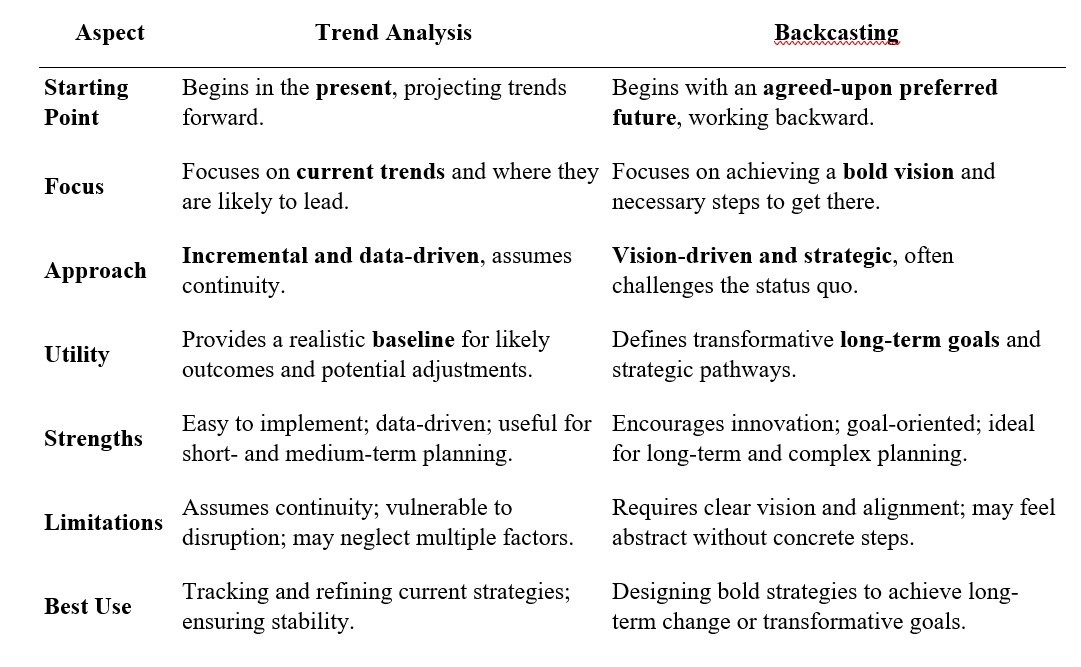
     

  • Community College Endless Improvement Journey: Building an Airplane in the Sky

    Community College Endless Improvement Journey: Building an Airplane in the Sky

    Reflecting on my experiences as an Air Force pilot, a former community college president, and a practitioner of the “plan-do-study-act” continuous improvement model; I’m reminded of the iconic 2000 Electronic Data Systems (EDS) Super Bowl commercial – “Building the Airplane in the Sky.” This concept has always resonated with me as an analogy for how we drive improvement and change in community colleges. It vividly represents what community colleges do every day, in communities across the nation.

    This classic commercial and metaphor, that you can see at YouTube video, illustrates the challenge of creating, innovating, and adapting in real-time; something at which community colleges excel. As we enter the fall, with Inservice for faculty and the promise of a new semester ahead, this analogy feels especially relevant.

    Community colleges are the backbone of our educational system, providing accessible, skill-based, and affordable education to millions. Their impact is particularly significant now, given their inherent nimbleness. These institutions are constantly evolving, responding to the needs of students, employers, and society at large; all while the “plane” of teaching and learning remains in flight.

    Adapting in Real-Time

    Community colleges continually adapt their programming and student services to meet the ever-changing demands of the job market, the technical needs of employers, and the students’ need for an affordable skill set that leads to family-wage jobs. Whether it’s launching new courses in fields like cybersecurity, renewable energy, health professions, or collaborating with local businesses to offer practical, hands-on training, our colleges are always in motion, adjusting their missions to navigate the winds of change. A particularly striking example of this is in the field of cybersecurity where the “half-life” of a college degree is less than two years; meaning half of what a graduate learned in school is outdated within that timeframe.

    As in the YouTube video where each component of the airplane is added mid-flight, community colleges are constantly innovating and improving without losing momentum. They stay nimble, respond to emerging trends, and prepare students for jobs that may not even exist yet, all while maintaining the core structure that supports student success.

    Navigating with Real-Time Adjustments

    For community colleges, innovation isn’t just a luxury, it’s a necessity, and ideally, a defining feature of our institutions. As industries evolve with new technologies and global shifts, so too must the skills provided by community colleges. Two-year colleges lead the way by integrating cutting-edge technology into their classrooms, offering hands-on, competency-based programs, flexible learning options like online courses, and employer-based training where students can learn while they earn.

    This approach is analogous to adding the latest equipment and instrumentation to an airplane mid-flight. It’s about continuously upgrading the “airplane” of education to ensure it’s equipped to meet the needs of future graduates who are always on the horizon.

    Charting the Course for the Future

    Looking ahead, the challenges will only grow more complex. But community colleges are uniquely positioned to meet these trends head-on. By staying adaptable, fostering innovation, and supporting students in achieving their goals, they’re not just building an airplane in the sky, they’re equipping our future workforce.

    In essence, community colleges are the foundation of our educational system. As they navigate the skies, community colleges are constantly refining and enhancing their value that will propel our students and our economy forward. As post-secondary leaders, it is imperative that we continue to support and champion these vital institutions, recognizing the pivotal role they play in sustaining our progress in an ever-changing world.

  • Agility and Resilience in Strategic Visioning: Embracing Change with Support of AI

    Agility and Resilience in Strategic Visioning: Embracing Change with Support of AI

    As someone who has worked closely with educational institutions throughout my career, I’ve witnessed firsthand the constant flux in higher education. Change is inevitable, but in recent years, the pace and unpredictability have increased dramatically. For colleges and universities to remain relevant, agility and resilience have become critical. Strategic visioning, particularly when supported by AI, offers a path forward for institutions to navigate uncertainties and thrive in an ever-evolving environment.

    The Role of Leadership in Building an Agile and Resilient Strategic Vision

    I recognize that the true success of strategic visioning hinges on leadership’s ability to anticipate and adapt to future challenges. Traditional strategic plans, often designed to outline goals for five to ten years, can become static and outdated in today’s rapidly changing world. Workforce demands, technological advancements, and evolving student needs require a new approach. It’s time to shift from rigid plans to dynamic, adaptable strategies that are developed through agile and resilient methods.

    Leadership must prioritize flexibility and responsiveness in strategy development. This means incorporating real-time data such as regional employment trends, economic indicators, enrollment patterns, and even emerging job skills required by local industries—into the strategic planning process. AI can analyze data streams from sources like the Department of Labor (DOL), Bureau of Labor Statistics (BLS), Department of Education (DOE), and National Center for Education Statistics (NCES) to provide insights that go beyond traditional planning methods. By encouraging collaborative scenario planning and being open to redefining goals as circumstances evolve, institutions can adapt more swiftly. An agile strategic vision is built through a continuous cycle of assessment, feedback, and adjustment, ensuring that institutions remain aligned with current and future realities. For example, if AI detects a surge in demand for healthcare workers or the decline of a specific industry in the region, based on data from the DOL or DOE, it can immediately inform leadership to consider program adjustments or realign to new strategic priorities. This real-time responsiveness helps institutions anticipate changes, proactively adapt their strategies, and better serve students, employers and community needs. Other examples could be AI’s access and analysis of real estate trends in a specific region using data from sources like the Federal Housing Finance Agency (FHFA), Zillow, or the National Association of Realtors (NAR), it might detect a significant rise in housing prices and a decrease in available inventory or migration trends for a region.

    AI plays a pivotal role in achieving this agility. It’s not just an additional piece of technology; it’s a transformative tool that provides leadership teams with the insights necessary to build a sustainable, future-oriented vision. AI’s ability to analyze vast amounts of data, predict trends, and simulate multiple future scenarios equips leaders with a proactive stance rather than a reactive one. By leveraging AI, leadership teams can identify emerging workforce trends, anticipate technological disruptions, and adjust programs and offerings to meet these challenges head-on. Many organizations hire consulting firms to produce a comprehensive regional environmental scan. Given the complexity, cost and use of an external firm, these environmental scans are likely done every couple years. The environment in a region shifts on a monthly basis. That is a reason to periodically scan high level regional factors with an inexpensive tool such as AI to pick up potential changes early.

    Ultimately, building an agile and resilient strategic vision requires a leadership approach that embraces change, utilizes cutting-edge tools like AI, and remains deeply connected to the institution’s mission and values. This approach ensures that colleges not only respond to shifts in the economic or workforce landscape, but also lead the way in shaping the future of education.

    AI: A Tool for Leadership and Strategic Committees

    For college trustees, leadership teams and strategic planning committees, the ability to use AI-driven insights is transformative. AI helps leadership identify emerging trends, workforce needs, and potential disruptors, ensuring the institution’s strategic vision remains aligned with its mission. In practice, AI serves as a decision-support tool, providing committees with the data they need to make more informed, proactive decisions.

    For example, a community college focused on skills-based training might use AI to identify emerging industries and skills in high demand. With AI’s insights, strategic committees can adapt the curriculum, ensuring the institution remains true to its mission of preparing students for workforce success while being nimble enough to evolve with market trends. This agility allows the institution to not only adapt to current needs but to anticipate and prepare for future demands something that is critical for long-term success.

    Moreover, AI assists leadership planning committees in refining their strategic vision by providing real-time data and predictive analysis, allowing institutions to pivot quickly when new opportunities or challenges arise. Instead of relying solely on assumptions or past experiences, leadership teams can now incorporate AI-driven environmental scans to ensure their vision is informed by both internal realities and real-time external trends. By leveraging AI tools, organizations can analyze complex data patterns, monitor industry shifts, and anticipate emerging opportunities or risks, resulting in a more proactive and informed strategic planning process. This integration enables leaders to create strategies that are not only aligned with current organizational strengths but also adaptable to changing market conditions and evolving community needs.

    Example Scenario: Implementing AI for Strategic Visioning in Community Colleges

    In The Great Upheaval, Arthur Levine uses the example of Blockbuster and Netflix to illustrate the impact of failing to adapt to disruptive innovations and changing consumer behaviors. In the early 2000s, Blockbuster was the dominant player in the video rental industry, with over 9,000 stores worldwide. Its business model relied heavily on revenue from in-store rentals and late fees. In 2000, Netflix approached Blockbuster with an offer to sell their entire company which was then a DVD-by-mail service for $50 million. Blockbuster declined, seeing Netflix as an insignificant competitor.

    By 2007, Netflix introduced its streaming service, recognizing the growing demand for digital content. Despite the visible shift in consumer preferences, Blockbuster was slow to adapt, only launching its own streaming service in 2008. However, it was too late to compete with Netflix’s head start and established customer base. By 2010, Blockbuster filed for bankruptcy, and by 2014, it closed its last company-owned store. Meanwhile, Netflix continued to grow, becoming a major force in the entertainment industry.

    This example underscores the importance of embracing innovation and foresight. Blockbuster’s failure to recognize the significance of digital disruption and act quickly to shape its preferred future led to its downfall, while Netflix’s adaptability allowed it to thrive. Community Colleges by nature have an interesting strategic advantage in being embedded in local communities and regions and have the ability to shift degrees, programs and skill-based training fairly rapidly, at least by higher education standards.

    Program Scenario

    Imagine a community college leadership team that is reviewing their strategic plan in response to the local economy’s shift towards renewable energy industries. Historically, the institution has focused on preparing students for traditional manufacturing roles. However, as the region’s workforce needs begin to evolve, college leadership must consider pivoting their program offerings to include renewable energy technologies, geothermal energy, skilled trades for local employers, sustainable practices, and advanced manufacturing skills at a technical level.

    To stay ahead of these shifts, the college who has used futuring techniques already imagined their “Preferred Future” and are in a position to proactively use AI-powered platform systems to assist the leadership team in adjusting their strategic planning. The AI system could analyze labor market data, state and national workforce projections, and local business trends to identify emerging roles in renewable energy, such as wind turbine technicians and solar panel installers. It also maps the skills required for these positions and identifies gaps between current program offerings and the anticipated future demand.

    With this information, the college’s leadership team can simulate different scenarios for the college’s growth. For instance, one scenario might focus on integrating renewable energy modules into existing programs. Another could explore launching entirely new credit-based associate degrees in sustainable energy technology, mechatronics, assist manufacturing with Non-Destructive Testing (NDT) Programs, or Quality Assurance and Quality Control (QA/QC) Programs. The AI could forecast the impact of each scenario on enrollment, faculty resources, and funding, providing a data-driven foundation for decision-making.

    Based on these insights, the college decides to pilot a hybrid program that blends advanced manufacturing with renewable energy technology. This proactive approach enables them to not only meet the anticipated workforce demand but also position the college as a leader in training for emerging green industries.

    By leveraging AI, the college moves from a reactive stance to a proactive one anticipating changes in the job market and adjusting its strategic vision to lead the way in regional economic development. This scenario illustrates how AI empowers leadership teams to craft resilient, future-oriented strategies aligned with evolving community needs.

    Applications from the Scenario for College Agility and Resilience

    In response to an anticipated regional workforce shift, a college prioritizing agility and resilience can implement various strategic initiatives to effectively adapt to rapidly evolving industry demands. One key area is dynamic curriculum development. By designing modular programs with stackable credentials and micro-credentials, the college can offer flexible learning paths that allow students to quickly pivot as workforce needs change. Integrating cross-disciplinary programs that blend advanced manufacturing, technology, and renewable energy further enables the institution to respond rapidly to industry shifts without the need for entirely new program offerings.

    Establishing strategic workforce partnerships is another critical approach. The college can form industry advisory councils with local renewable energy and advanced manufacturing companies to keep the curriculum aligned with evolving standards. Creating agile pathways, such as internships and apprenticeships, would provide students with hands-on experience while enabling the college to maintain close ties with industry partners. Additionally, incorporating AI-driven scenario-based strategic planning allows the leadership team to model potential future scenarios based on regional economic trends and workforce projections. By leveraging these insights, the college can anticipate changes and proactively adjust its strategic priorities, launching pilot programs or short-term boot camps to test new fields like geothermal energy or sustainable engineering before committing to long-term resource allocation.

    Agility can also be achieved through adaptive enrollment and program management strategies. Using AI tools to forecast enrollment trends and adjusting course offerings in real-time ensures that class sizes are maintained, and resources are allocated efficiently. The implementation of rolling admissions or more frequent start dates can further accommodate both traditional and non-traditional students seeking to enter the workforce quickly. To support this agility, continuous professional development for faculty and staff is essential. Offering reskilling and upskilling opportunities ensures that faculty remain current on the latest technologies and teaching methodologies, and fostering interdisciplinary collaboration encourages shared knowledge and agility in responding to new academic demands.

    Strategic resource allocation and facilities planning are also necessary to maintain flexibility. Designing classrooms and labs that can be reconfigured to support new programs, such as hybrid labs that accommodate both advanced manufacturing equipment and renewable energy technology, provides the physical infrastructure needed for rapid program adjustments. Developing resource reallocation plans allows the college to strategically move funding, faculty, and facilities in response to changing demands or new strategic initiatives.

    Data-driven decision-making, informed by AI-driven market analysis, can further enhance agility and resilience. Regularly reviewing labor market data and AI insights helps the college identify emerging industries and skill gaps, aligning its offerings with projected workforce needs. Establishing program review and sunset policies ensures that underperforming programs can be quickly phased out, allowing resources to be reallocated to more relevant and in-demand areas.

    Finally, engaging with the community and forming public-private partnerships can help the college align its initiatives with regional workforce needs and economic development goals. Creating flexible community learning hubs that host workshops and short-term training programs reinforces the college’s role as a central resource for local skill development, supporting the region’s growth. By implementing these strategies, the college can maintain agility and resilience, enabling it to anticipate and respond to changes quickly, stay relevant, and strengthen its position as a leader in the community and regional economic development. A college that integrates futuring into its planning process gains the attribute of nimbleness, offering a significant strategic advantage.

    Summary: AI, Agility, and the Future of Higher Education

    As I look ahead, I’m convinced that the institutions that will thrive in the future are those that can remain agile and resilient, supported by AI-driven insights. The pace of change in higher education shows no signs of slowing, and the challenges we face today from shifting workforce demands to technological disruption are only going to intensify.

    For colleges and universities, the key to navigating this landscape lies in building a strategic vision that is both grounded in reality and flexible enough to evolve. AI provides leadership and strategic committees with the tools they need to do just that by conducting environmental scans, predicting trends, and simulating future scenarios, AI empowers institutions to anticipate and adapt to the challenges of tomorrow.

    The question for educational leaders is not whether AI should play a role in strategic visioning, but how they will harness its potential to build an agile and resilient institution. The future will belong to those who are prepared not just to face change, but to shape it.

  • Using the Strategic Vision Document to Engage Key Constituents: A Blueprint for Success

    Using the Strategic Vision Document to Engage Key Constituents: A Blueprint for Success

    A Strategic Vision Document does more than outline a three to five-year plan, it serves as a roadmap for communicating the institution’s long-term strategy and actively engaging key stakeholders to achieve that vision. Whether it’s trustees, the president and executive team, faculty, or business partners, the document unites stakeholders around a shared purpose, driving the institution’s strategic direction. Mostly, it can be a future branding document detailing the “why” for the institution and define its emerging distinctive nature.

    Why a Strategic Vision Document Matters

    In many organizations and for colleges in particular there are many constituents interested in the strategic direction of the institution. A well-crafted Strategic Vision Document is essential for guiding an institution’s future and positioning it for long-term success. It’s not just about setting goals; it tells a compelling story about where the institution is headed and why. For community colleges, this document is crucial in aligning the institution’s growth with the evolving needs of students, communities, and industries. Most importantly, it serves as a platform for engaging stakeholders, helping them understand, support, and actively participate in the institution’s vision.

    “If everyone is moving forward together, then success takes care of itself.” — Henry Ford

    1. Trustees: Setting the Strategic Agenda: The Strategic Vision Document gives trustees a clear understanding of the institution’s long-term objectives, equipping them to provide informed oversight and governance. It ensures that decision-making aligns with strategic goals, helping trustees prioritize initiatives and monitor progress to support the institution’s mission. Action Step: Hold an interactive planning workshop with trustees to review the document, gather feedback, and build their support for the strategic direction.

    2. President and Executive Team: Guiding Leadership For the president and executive team, the Strategic Vision Document is a leadership tool, providing a unified strategy for decision-making, resource allocation, and communication. It helps the executive team stay aligned with institutional goals and navigate challenges with strategic clarity and agility. It will document the input that the leadership team may have had in the creation of the plan or strategy. Action Step: Use the document to guide leadership meetings, ensuring that decisions align with strategic priorities and tracking progress regularly.

    3. Regional Advisory Council: Providing Strategic Input The strategic document provides advisory council members with a high-level view of the institution’s direction, enabling them to offer relevant input and advocate for the college within their networks. This collaboration ensures that the institution remains aligned with community needs and industry trends. Action Step: Present the vision document at advisory council meetings and invite members to support specific initiatives within their networks.

    4. Legislators: Demonstrating Institutional Impact and Justifying Funding The Strategic Vision Document highlights the institution’s economic, social, and educational contributions, providing legislators with a strong case for support through policy or funding. It frames the institution as a key driver of workforce development and community growth and will be a catalyst for political reinforcement. Action Step: Share the document during legislative briefings, using data and success stories to advocate for funding and legislative support.

    5. Faculty: Inspiring Alignment, Buy-In, and Innovation The Strategic Vision Document offers faculty a clear view of how their efforts contribute to the institution’s long-term goals, fostering collaboration and innovation. It encourages alignment between academic programs and the institution’s strategic objectives. Action Step: Host faculty workshops or forums to discuss how academic programs can evolve to meet the institution’s strategic goals and foster cross-department collaboration.

    6. Business and Industry: Building Strategic Partnerships The vision document highlights how the institution prepares students to meet workforce demands and outlines potential opportunities for business partnerships, such as internships and co-developed training programs. These collaborations address skill gaps and create a pipeline of well-trained employees and opportunity for financial support whether direct or in-kind contributions. Action Step: Use the document in partnership meetings to explore opportunities for collaboration that benefit both the institution and the regional economy.

    7. Community and Alumni: Strengthening Connections The document shows community and civic members how the institution’s goals align with local needs and values, encouraging their engagement and support. Alumni, in particular, can play a meaningful role through volunteering, mentoring, or donations. Action Step: Organize community forums and alumni events to share the institution’s progress, invite input, and encourage involvement in strategic initiatives.

    8. Donors and Philanthropists: Driving Impact The Strategic Vision Document makes a strong case for donor contributions by highlighting specific projects that need support. It ties donations to tangible outcomes, helping build lasting relationships and ensuring ongoing philanthropic engagement. Action Step: Use the vision document in donor meetings to present upcoming projects, demonstrate impact, and encourage long-term investment.

    A Roadmap for Engagement

    The Strategic Vision Document is more than just a static plan, it’s a dynamic blueprint that fosters communication, engagement, and collaboration across all stakeholder groups. By leveraging it effectively, institutions can align key constituents around shared goals and strengthen relationships, setting the stage for long-term success. It becomes an essential tool for guiding strategic discussions, shaping decisions, and maintaining strong connections with the community. This document is not long, probably under two pages with reams of documentation. Anything that is lengthy likely will not be read by constituents except those already committed to the organization.

    When put to good use, the document transforms passive stakeholders into active participants, deeply committed to the institution’s future. It enhances governance, sparks innovation, and attracts critical resources, allowing the institution to remain agile and responsive in an ever-evolving landscape. This collective sense of ownership ensures that progress is both collaborative and sustainable.

    Ultimately, the institution’s success doesn’t rest solely on having a strategic plan, but on how well it’s communicated, embraced, and executed by all stakeholders. With the Strategic Vision Document as a guide, the path toward achieving long-term goals becomes clearer, generating lasting value for both the institution and its community.

  • Strategic Visioning and AI: Aligning Innovation with Mission-Driven Purpose

    Strategic Visioning and AI: Aligning Innovation with Mission-Driven Purpose

    In the first part of this Futuring series, I explored AI-Assisted Futuring as an alternative to traditional strategic planning. In this second part, I focus on Strategic Visioning, a process for colleges to navigate rapid change, while staying consistent with their purpose, culture, and regional expertise. Adapting to inevitable changes is essential to staying relevant. Institutions must simultaneously remain true to their core mission and values. Strategic Visioning, enhanced by artificial intelligence (AI), offers a powerful framework for doing so. AI helps institutions anticipate trends, make data-driven decisions, and integrate innovative solutions all without losing sight of their foundational purpose.

    Arthur Levine’s The Great Upheaval offers an important perspective on this process. One of the book’s key recommendations for higher education institutions to remain viable is the need to discover a unique brand. Institutions must clearly define and promote a distinct identity that aligns with their mission, values, and strengths to differentiate themselves in an increasingly competitive educational market. In today’s shifting landscape, where competition is intensifying and traditional campus-based models are under pressure, Levine argues that institutions can no longer rely solely on past reputations or prestige. Instead, they must actively define and promote a unique identity that reflects their mission, values, and strengths.

    This concept perfectly aligns with strategic visioning: it’s not just about planning for what is expected to come, but about shaping an institution’s preferred future with a clear sense of purpose.

    For many institutions, this involves aligning their academic offerings, workforce training, partnerships with regional employers, community engagement, and student experiences with a distinctive vision. Whether the focus is skills-based training, research excellence, seamless transfer pathways, or a strong community impact, the ability to communicate a compelling and differentiated brand helps institutions stand out. This, in turn, attracts the right students, forms stronger partnerships, builds long-term sustainability, and resonates with legislative bodies that control funding. As Levine points out, discovering and promoting this brand is key to thriving in a landscape undergoing significant transformation.

    What is Strategic Visioning?

    Strategic visioning is the process of defining an organization’s long-term aspirations and developing a flexible strategy to achieve its desired future. For colleges and universities, this involves aligning day-to-day operations with their mission, vision, and values while remaining agile enough to adapt to changing circumstances. Strategic visioning encourages institutions to look beyond immediate challenges, anticipating future opportunities and obstacles. Unlike traditional strategic planning, which often focuses on short-term objectives, strategic visioning is broader and more dynamic, enabling institutions to be proactive and responsive in a rapidly evolving environment.

    Strategic Visioning Supports Organizations to:

    • Envision the future: Establish a clear, long-term vision of success that aligns with internal priorities and external opportunities, allowing for intentional progress toward a defined future.

    • Enhance agility: Foster an adaptable mindset that allows the institution to pivot and respond quickly to emerging trends, ensuring continued relevance and resilience.

    • Align with core values: Ensure that growth and innovation remain consistent with the institution’s mission and unique identity, as emphasized by Arthur Levine in The Great Upheaval.

    • Navigate uncertainty: Develop strategies that allow the institution to thrive amid uncertainty and competition by being flexible and prepared for the unexpected.

    For educational institutions, strategic visioning is particularly important as it guides decisions that shape student success, foster community engagement, and amplify societal impact. By integrating AI into this process, colleges and universities can enhance their agility, better anticipate shifts in educational demands and industry trends, and maintain alignment with their mission and brand identity.

    The Role of AI in Strategic Visioning As institutions look toward the future, AI plays an increasingly valuable role in shaping strategic visioning. Once the elements of a preferred future are defined and aligned with the institution’s mission and vision, AI can assist leadership teams and strategic committees by providing the data-driven insights needed to refine and implement that vision. AI’s ability to process vast amounts of information, identify patterns, and generate predictions makes it a powerful tool for enhancing strategic decision-making.

    AI can Support Strategic Visioning in the following ways:

    • Predicting trends: AI analyzes state, regional and industry-specific data, enabling institutions to anticipate changes in educational demand, workforce requirements, and technological advancements. This foresight helps leadership teams stay ahead of emerging challenges and opportunities.

    • Optimizing decision-making: AI assists decision-makers by evaluating multiple scenarios, assessing risks, and forecasting outcomes. By providing actionable insights, AI empowers strategic committees to make more informed and confident choices.

    • Personalizing student experiences: In an educational setting, AI can help tailor learning environments to individual students’ needs, supporting more adaptive and personalized approaches to education.

    While AI’s capabilities are vast, the challenge lies in ensuring its use aligns with the institution’s core mission, values, and long-term vision. Leadership and strategic committees play a crucial role in interpreting AI-generated data as a foundation for developing a strategic vision that prioritizes workforce readiness, skill development, and employability, ensuring that students are prepared to succeed in an evolving job market. AI serves as a supportive tool empowering leaders to shape the future, rather than allowing technology to drive the agenda.

    Aligning Innovation with Mission-Driven Purpose

    One of the biggest challenges for educational institutions is ensuring that technological innovation, particularly AI, aligns with their mission and values. For example, a college focused on providing affordable, accessible education to underserved communities may find that certain AI-driven solutions could create barriers rather than opportunities if not implemented thoughtfully.

    To ensure that innovation aligns with mission-driven purpose, institutions must take a deliberate approach. Here’s how AI can enhance strategic visioning while keeping the institution’s mission at the forefront:

    1. Anticipating Trends to Stay Mission-Driven

    AI can help institutions anticipate shifts in the educational landscape, such as changes in student demographics, workforce demands, and technological advancements. By analyzing trends, AI can provide predictive insights into the future needs of students and the workforce. This allows colleges to design programs and curricula that align with their mission while meeting future demands.

    For example, a community college focused on skills-based training might use AI to identify emerging industries and skills that will be in high demand. This helps the institution stay aligned with its mission of preparing students for workforce success while proactively adapting its programs. AI can also support organizations in scenario planning, enabling them to strategically simulate and evaluate different program delivery models to meet future workforce needs.

    2. Enhancing Student Recruitment and Support

    AI offers significant potential for improving student recruitment and support by helping institutions identify and engage with prospective students more efficiently. AI-powered tools can analyze data to target a wider range of potential applicants, streamline communication, and personalize outreach efforts, making recruitment more effective and responsive to the needs of students.

    In addition to recruitment, AI can play a crucial role in supporting students throughout their academic journey. It can help institutions monitor student performance, identify those who may need additional resources, and deliver tailored interventions to ensure academic success. By integrating AI into both recruitment and support strategies, institutions can enhance the overall student experience, ensuring students are not only brought in but also supported toward achieving their goals.

    3. Supporting Data-Informed Decision Making

    AI can enhance the decision-making process by providing data-driven insights. Whether it’s enrollment forecasting, financial planning, or student success initiatives, AI can provide actionable insights that align with an institution’s mission.

    For instance, colleges with a mission to serve adult learners or first-generation students can use AI to analyze retention data and identify patterns that suggest students are at risk of dropping out. By using these insights, institutions can proactively intervene, offering support services that align with their commitment to student success.

    4. Enhancing Learning Experiences

    Many educational institutions are committed to providing personalized learning experiences that meet the needs of diverse student populations. AI-driven tools can support this goal by enabling adaptive learning environments, where educational content and resources are tailored to individual learners.

    For institutions with a mission to promote lifelong learning, AI can help deliver flexible, personalized educational experiences that meet the needs of adult learners, working professionals, and traditional students alike. AI-powered platforms can track student progress, suggest learning resources, and adapt instructional strategies to maximize learning outcomes, all while staying aligned with the institution’s goal of student success.

    5. Balancing Innovation with Tradition and Culture

    One of the core tensions in strategic visioning is balancing innovation with tradition. Colleges and universities often have rich histories and traditions that are deeply tied to their identities. Introducing AI and other technologies must be done in a way that respects and builds upon these traditions.

    In strategic visioning, AI can help institutions explore how they can innovate while maintaining core traditions. For example, a college with a long history of liberal arts education may want to introduce AI-powered tools for curriculum design or student engagement, but the challenge is ensuring that these innovations enhance, rather than detract from, the institution’s emphasis on critical thinking and humanistic values.

    By using AI tools to augment traditional educational models rather than replace them, institutions can stay mission-aligned while embracing the future.

    Conclusion: The Future of AI in Strategic Visioning

    AI offers tremendous potential to enhance strategic visioning for educational institutions, presenting opportunities to harness cutting-edge technologies in a way that drives long-term success. By aligning innovation with mission-driven purpose, institutions can leverage AI to anticipate trends, optimize decision-making, and create personalized, equitable learning experiences. These capabilities allow for more informed, proactive responses to challenges, empowering colleges and universities to remain relevant in an increasingly competitive and dynamic environment.

    The integration of AI into strategic visioning must be done thoughtfully. Institutions must ensure that AI serves as a complement to, rather than a replacement for, human insight, creativity, and ethical responsibility. AI should support, not undermine, an institution’s core values and long-term vision.

    As we move forward in the era of rapid technological advancement, the role of AI in higher education will likely continue to grow, becoming a key player in shaping both operational efficiency and strategic direction. But institutions must be prepared to address the ethical, social, and pedagogical implications of AI. This includes engaging with stakeholders, trustees, businesses, leadership team, faculty, staff, students, and the broader community in conversations about how AI can and should be used to support the institution’s strategic vision, mission and goals.

    By staying rooted in their strategic vision while remaining open to the possibilities that AI and other technological innovations bring, colleges and universities can transform challenges into opportunities. They can reimagine their future, not merely surviving in the face of constant change, but thriving. Ultimately, the future of AI in strategic visioning offers an exciting frontier one where institutions can redefine their impact on students, communities, and society while staying true to their core purpose.